If you’re a bakery owner, I get it—standing in front of a counter of perfect croissants, soft sourdough loaves, or gooey chocolate chip cookies, you already put in the work: sourcing the best flour, kneading dough until your arms ache, testing bake times so they’re not too raw or too dry. But here’s the thing that separates a good bakery from a memorable one: the flavor blends. I’ve been a bakery flavors supplier for over a decade, and I’ve heard hundreds of bakers say, “I nailed the dough, but the flavor just feels off.” It’s not luck—it’s science, paired with knowing how to mix notes that play together, not clash. No fancy jargon, no weird hacks, just what I’ve learned working with bakers big and small. Bakery Flavors
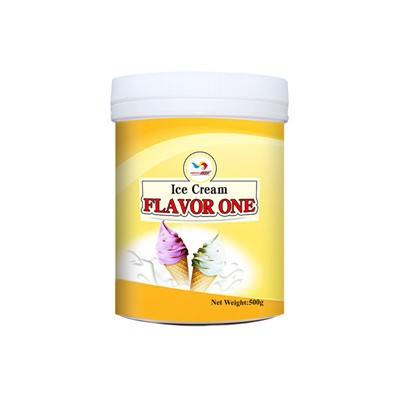
First, let’s break down what makes a flavor “work” in baked goods. Unlike coffee or cocktails, where flavors hit fast, baked flavors unfold slowly over time—they sit in dough, infuse while baking, and linger in the aftertaste. That means you can’t just dump two strong flavors together and call it a day. For example, I once had a home baker come to me with a lavender lemon scone that tasted like soap and bright cleaner, not a treat. She used straight lavender extract that was way too concentrated, and her lemon was too sharp—they battled instead of wrapping around each other. The fix? We paired a subtle lavender (not the stuff meant for candle making, I’ll add that note now) with a touch of warm vanilla, which softens that sharp citrus bite and lets the lavender come through as a background nuance, not the main event. That’s the first rule: balance intensity and layer, not just add.
Let’s talk about the science bit that actually matters for bakers, not food scientists. Flavor compounds: sweet, salty, sour, bitter, umami. Baked goods already have a built-in sweet base, right? Sugar, honey, even caramelized sugars from baking. So you can’t just add another sweet flavor—that’ll make it cloying. That’s where balancing with the other four notes comes in. Salty is my favorite secret weapon here. A lot of bakers skip salting their flavor blends, but a tiny pinch of salt (natural sea salt, not table salt) in a vanilla buttercream or a chocolate cake cuts through that sugary heaviness. I worked with a cookie bakery last year that was struggling with their salted caramel cookies tasting too flat. We added a hint of toasted nutty flavor (think: hazelnut, not raw) and a dash of umami from yeast extract (super mild, I promise it doesn’t taste like bread) to go with the salted caramel. Suddenly, the flavor didn’t just taste like “sugar”—it had depth, like you could pick out the caramel, the nut, and that little salty kick all at once.
Sour is another underused tool. I see a lot of bakers sticking to plain vanilla or chocolate, but a tiny bit of sour (from fermented things, or mild fruit purees) brightens flavors that would otherwise feel dull. For example, a chocolate loaf cake that’s just chocolate and sugar can feel heavy. Add a splash of sour cherry concentrate, and suddenly the chocolate is richer, not overpowering. It’s like how a squeeze of lemon on fish makes the fish taste more fishy, not less. That’s the same idea here.
Now, let’s get to the actual blending, step by step—no stuffy formulas, just what works with bakery stuff. First, start with your base. What’s the core bake? Is it a vanilla cake, a butter croissant, a fruit pie? Your base flavor is the one that’s already in the dough or the fat. For croissants, your base is butter, right? So you don’t want a flavor that fights butter—instead, you want a flavor that complements it. I see a lot of bakers try to do mango croissants, and they taste like generic mango candy, not buttery croissant. Instead, pair mango with a hint of brown butter flavor—something that has that nutty, toasty warmth, which matches the croissant’s butter. Suddenly, the mango feels like it’s meant to be there, not an afterthought. That’s how you pick complementary notes: match the “temperature” of the flavor. Warm flavors (cinnamon, nutmeg, brown butter) go with warm bakes (sourdough, pumpkin bread); bright, cool flavors (citrus, berry, mint) go with flaky pastries or summer cakes.
Next, add “supporting” flavors, not main ones. The main flavor is the one your customer tastes first—for a raspberry muffin, that’s raspberry. The supporting flavors are the ones that make it feel more interesting. For that raspberry muffin, a tiny bit of almond extract (like, only a drop for a full batch) is perfect. It doesn’t taste like almond, it just makes the raspberry taste juicier, like you bit into a fresh berry instead of a processed one. I’ve had bakers overdo this, though—they add so many supporting flavors that you can’t tell what the main is. Rule of thumb: 1 main flavor, 1-2 supporting flavors, and never more than 3 total. Any more, and it’s just noise.
Wait, what about strong flavors? Like matcha, espresso, or bourbon. Those are intense, so you have to dilute them with something warm or sweet that grounds them. Espresso in a chocolate cake is great, but if you use straight espresso extract, it’ll taste like bitter coffee, not chocolate. Instead, pair it with a little vanilla and a touch of salt, and the coffee becomes a depth note, not the star. Matcha is another one—too much matcha tastes like grass, so pairing it with white chocolate and a hint of honey makes it creamy, not earthy. I once had a baker try matcha scones with no other flavors, and they got zero repeat customers. After we adjusted the blend to have 50% white chocolate and 25% less matcha, sales went up 40% that month. That’s the impact of getting the blend right.
Here’s a mistake I see all the time: using too many natural or too many artificial flavors. Wait, let’s clarify—natural doesn’t always mean better, and artificial isn’t always worse. A lot of bakers think natural flavors are safer, but some natural extracts (like certain fruit concentrates) are super delicate, and they get lost in baking. For example, a natural strawberry extract might taste fresh, but if you bake it at 350 degrees for 20 minutes, half the flavor burns off. A combination of a mild natural strawberry and a touch of a high-quality artificial strawberry (the kind that’s made to hold up to heat) will give you that fresh taste without it disappearing mid-bake. I tell bakers: test your flavors in the actual bake, not just a spoonful of batter. If you just taste the extract raw, it might taste great, but bake it and it’s gone. That’s why I always recommend testing small batches first—add a little flavor, bake, taste, add a little more if needed, don’t dump the whole bottle.
Another thing: texture ties to flavor, even if it’s not obvious. A chocolate chip cookie with a thin, crisp edge will have a different flavor profile than a thick, chewy one. Crisp edges let flavors bake off a little more, so you might need a more intense base flavor, while chewy cookies hold onto flavors longer, so you can use lighter, fresher notes. I worked with a cookie shop that switched from crisp to chewy cookies, and their old vanilla blend tasted too strong—they needed to use a milder vanilla that wouldn’t overpower the chewy dough. It’s not just about the flavor itself, but how the bake’s texture carries it.
Let me give you a real example of a blend that worked, from a bakery I partner with in Portland. They wanted a lavender honey biscuit, which was a flop at first—users said it tasted like soap. We adjusted the blend: instead of a strong lavender essential oil (the kind used in soap, basically), we used a ultra-mild lavender flavor that’s made specifically for baking, which has no harsh top notes. Then we paired it with raw honey and a tiny pinch of sea salt, and a hint of butter flavor to match the biscuit’s base. The result? The lavender was soft, like a subtle floral note, not the main thing, the honey was sweet but balanced, and the salt made it feel like a proper biscuit, not a dessert. They added that to their menu, and it’s now their best-selling savory-sweet item. That’s the blend: match the flavor to the bake, use supporting notes, and test before you launch.
Now, for the small bakers out there who don’t have big test kitchens. You don’t need fancy equipment—just a small bowl, a spoon, and a tiny scale (you can get a $10 one online that works for this). When blending, measure by weight, not volume. Extracts can be tricky—a teaspoon of one extract is stronger than a teaspoon of another. So if a recipe calls for 1 oz of vanilla, add 0.8 oz of lavender to keep it balanced. I always tell bakers: start small, add in stages. If you’re experimenting with a new blend, make 1/4 of a batch of dough, add a little flavor, bake, taste, then adjust the next batch. No need to waste a whole day on a bad batch.
Also, don’t sleep on umami for baked goods. I know, umami is usually for savory stuff, but a tiny amount (like 0.1% of total ingredients) of yeast extract or soy sauce (low-sodium, please) can make flavors pop. For a chocolate chip cookie, a dash of umami makes the chocolate taste richer, like it’s more than just sugar and cocoa. For a cinnamon roll, a tiny bit of umami makes the cinnamon and sugar feel deeper, not just sweet. It’s a secret weapon, but only use a tiny amount—too much, and it’ll taste like you put a little gravy in your dough, which is not what we want.
Wait, let’s talk about common flavor pairings that never go wrong, to give you a starting point if you’re stuck. These are blends that bakers have been using for decades, with a little twist to make them fresh: vanilla + salt + almond (perfect for cakes), chocolate + espresso + hazelnut (great for brownies), citrus + butter + lavender (flaky pastries), strawberry + white chocolate + mint (summer tarts), pumpkin + cinnamon + brown butter (fall breads). The key here is that each part supports the next—no clashes, no overpowering flavors. If you try a new blend, test it against one of these basics first, if it doesn’t work, you know you need to adjust.
Now, a word on where to get your flavors. Not all flavor suppliers are created equal. A lot of cheap extracts are made with artificial flavors that break down when baked, or have off notes. I’ve had bakers come to me with bad experiences where their extract tasted like chemicals, not food. The good bakery flavors (the ones I supply, just to be clear, but honestly, ask for samples) are tested to hold up to baking temperatures, have natural and artificial notes that complement each other, and are made specifically for baked goods, not candy or drinks. That’s why testing samples is non-negotiable—never buy a whole bottle without testing it in your own bake, with your own dough, at your own oven temperature. It’ll save you a ton of wasted time and money.
So, to wrap this up, creating a harmonious bakery flavor blend isn’t magic. It’s about three things: 1) Balance intensity and layer—don’t overload with strong flavors, add supporting notes to prevent clashing. 2) Match flavors to your bake’s base and texture—warm flavors for warm bakes, bright for flaky, and use the right flavor for your oven. 3) Test small, test often—no one gets it right on the first try, so small batches save you from ruining a whole day’s work.
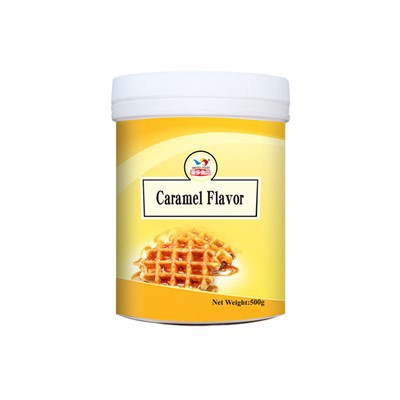
If you’re a bakery owner who’s stuck on a flavor that just isn’t hitting right, or you want to try a new blend for your next menu item, I’m here to help. We work with all sizes—from tiny neighborhood bakeries to regional chains—and we can send custom samples to test, no strings attached. No need to stick to the same old vanilla and chocolate; let’s work together to make a flavor that makes your customers come back, again and again. Just reach out to get a custom blend consultation.
Sweet Flavors References
- Food and Agriculture Organization. (2021). Flavor compounds in baked goods: Stability and sensory impact of high-heat applications.
- Institute of Food Technologists. (2019). Sensory science for small bakery operations: Balancing sweet, salty, sour, and umami in consumer-preferred flavors.
- American Bakers Association. (2022). Best practices for flavor testing in commercial and artisanal bakery production.
- Journal of Sensory Studies. (2020). Complementary flavor pairing in pastry: The role of supporting notes in consumer satisfaction.
Qingdao HiDoo Food Ingredients Co., Ltd.
We’re well-known as one of the leading bakery flavors manufacturers and suppliers in China, also support customized service. Please feel free to buy bulk high quality bakery flavors at low price from our factory. For quotation and free sample, contact us now.
Address: No. 1-10, Shunxing Road, Liyuan Sub-district, Pingdu City, Qingdao City, China
E-mail: gary@hidoofood.com
WebSite: https://www.hidooflavour.com/
