Can Organic Reagents React with Plastics?
As someone who’s spent the past decade as a supplier of high-purity organic reagents to labs, pharma companies, and industrial R&D teams, one question comes up again and again—often when a customer is unpacking a new bottle of solvents or reaching for a vial of synthesis reagents for the first time: “Will this stuff interact with my plastic equipment?” It’s not a trivial concern. Labs rely on plastic ware for everything from sample storage to reaction setup, and no one wants a piece of equipment to warp, a sample to contaminate, or a failed experiment to set back weeks of work. Organic Reagents
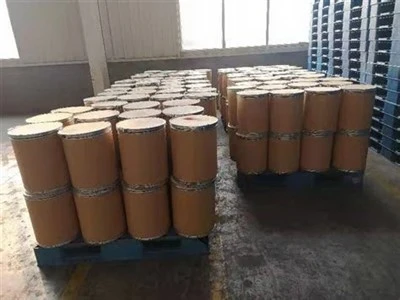
Let’s cut through the noise here: the answer isn’t a simple “yes” or “no.” Plastics are not a single material—think of the low-density polyethylene (LDPE) sample bags in a lab freezer, the polypropylene (PP) centrifuge tubes spinning at 10,000 RPM, or the polytetrafluoroethylene (PTFE) liners in HPLC vials. Each has unique molecular structures that make them more or less vulnerable to organic reagents, which themselves run the gamut from polar, water-miscible compounds like ethanol to nonpolar solvents like hexane or toluene, and even reactive reagents like acyl chlorides or Grignard solutions. As a supplier, I’ve seen this play out firsthand: a customer once tried storing 30 liters of anhydrous diethyl ether in an LDPE drum, only to watch the plastic leach additives into the solvent and develop small cracks, rendering both the reagent useless and the drum unsafe. Another team used PVC tubing to pump dichloromethane during a extraction, and the plastic softened so much the tubing collapsed mid-process.
So, what’s the science behind these interactions? It boils down to two core chemical principles: solubility and reactivity. For plastic and organic reagents, “like dissolves like” is the rule when it comes to passive interactions—meaning a nonpolar organic solvent will often dissolve or swell nonpolar plastics, while polar solvents have less effect on polar plastics, and vice versa. But reactive organic reagents, like those used in synthesis, can go a step further: their functional groups can break the covalent bonds in plastic polymers, causing permanent degradation, leaching, or even dangerous reactions.
Let’s break down common plastic types and how they interact with the organic reagents we supply. First, LDPE and HDPE (high-density polyethylene): these are the workhorses for sample bottles, pipette tips, and storage containers. Their molecular chains are long, nonpolar, and held together by weak van der Waals forces. That makes them susceptible to nonpolar solvents like alkanes (hexane, heptane), aromatic solvents (benzene, toluene), and even moderately polar ethers. When these solvents seep between the plastic polymer chains, they expand the material (swelling) and can leach low-molecular-weight additives—think plasticizers or stabilizers—that manufacturers use to make the plastic flexible. Over time, this can make the plastic brittle or leach contaminants into your samples. For example, LDPE is not a good choice for long-term storage of hexane; even a week can be enough for the solvent to alter the plastic’s structure. On the flip side, polar solvents like water, methanol, or acetonitrile barely interact with LDPE, making it ideal for storing aqueous buffers or dilute acids.
Next, PP: a step up in chemical resistance from polyethylene, with a slightly more polar polymer structure. PP resists most nonpolar solvents at room temperature, which is why it’s the go-to for centrifuge tubes, test tubes, and reagent bottles for general lab use. But push it with high temperatures or strong nonpolar solvents, and it will break down. I’ve had customers call in panic after autoclaving PP tubes filled with toluene— the heat made the solvent swell the plastic so much the tubes burst. PP also has a weak spot for aromatic compounds and some chlorinated solvents, like dichloromethane (DCM) and chloroform. Even at room temperature, these solvents can cause PP to swell significantly, which is why we always advise using glass or PTFE vessels for reactions involving DCM, or lined PP tubes if plastic is a must.
Then there’s PTFE, better known by its brand name Teflon. This is the gold standard for chemical-resistant plastics, thanks to its carbon-fluorine bonds—one of the strongest covalent bonds in organic chemistry. PTFE barely reacts with nearly all organic reagents, including strong acids, bases, solvents, and even reactive compounds like Grignard reagents or acyl chlorides. That’s why it’s used in valve seals, tubing liners, and reaction vessel liners. Even some of our most aggressive organic reagents, like anhydrous trifluoroacetic acid, won’t damage PTFE. The only rare exceptions are at extremely high temperatures (over 260°C), where PTFE can begin to degrade, but for standard lab conditions, it’s the safest bet if you’re dealing with reactive or harsh reagents.
Now, the reactive organic reagents—this is where things get really critical, and where many customers run into trouble. Solvents that are relatively inert at room temperature might still pose a risk, but functionalized organic reagents (those with hydroxyl, amine, acyl, or halide groups) can undergo chemical reactions with plastic polymers. For example, some nylon plastics, which have amide groups in their backbone, can react with strong acylating reagents like acetic anhydride. The amide bonds in the plastic will react with the acyl groups, breaking the polymer chain and causing the plastic to dissolve or fall apart. We once had a customer running a synthesis with benzoyl chloride (a common acylating agent) in a nylon reaction vessel; within hours, the vessel had developed holes, and the reagent had reacted with the plastic, introducing contaminants into their final product. That mistake cost them a month of work, not to mention the cost of lost reagent and damaged equipment.
Another common culprit: amine-containing reagents. Many plastics, especially those with epoxy or amine-based adhesives, can react with primary and secondary amines, causing cross-linking or degradation. For example, triethylamine, a base often used in synthesis, can break down epoxy resins in plastic tubing, leading to leaching of unreacted resin into your solvent.
So, as a reagent supplier, how do we help customers navigate this? It’s not enough to just sell you a bottle of hexane or a vial of acetic acid—we also provide safety data sheets (SDS) that include chemical compatibility information, and our technical team is always on hand to answer questions about which plastics work (and which don’t) with specific reagents. But here’s the thing: even with the best information, it’s easy to miss a detail, especially if you’re working with a rare or highly specialized organic reagent. That’s why we encourage customers to test small-scale compatibility before launching a large experiment. A quick test: dip a small piece of your plastic equipment (a piece of tubing, a piece of sample bottle) into the reagent for 24 hours, check for swelling, discoloration, or weight change. If it passes, you’re good to go; if not, switch to a more compatible material.
I’ve also seen customers rely too much on “general” chemical resistance charts, which often simplify things—some charts will say PP is resistant to all organic solvents, but that’s only true at room temperature for mild solvents. For chlorinated solvents, PP swells even at room temp, and if you heat the reaction, that resistance goes out the window. As someone who’s spent years working with these reagents, I can tell you that context matters: the concentration of the reagent, temperature of the reaction, length of exposure, and even the purity of the reagent (impurities can accelerate reactions with plastic) all play a role.
This isn’t just a lab problem—industrial manufacturers face the same issues. For example, a pharmaceutical company scaling up a synthesis requires transporting liters of reactive organic reagents, so they need to choose storage drums that won’t leak or contaminate the product. We supply high-density polyethylene drums with special liners for many of our organic reagents, designed to prevent swelling and leaching, which is a direct solution to the issues I’ve seen over the years.

So, to circle back to the original question: yes, organic reagents can and do react with plastics—but it depends on the type of plastic, the type of reagent, and the conditions. There’s no one-size-fits-all answer, which is why it’s so important to have a partner you can trust to provide accurate, practical guidance. As an organic reagent supplier, our job isn’t just to deliver high-purity chemicals—it’s to help our customers avoid the mistakes that waste time, money, and materials.
Inorganic Chemicals If you’re working on a project where you’re unsure about compatibility, or if you need custom storage or handling solutions for specialized organic reagents, don’t guess. Reach out to our team—we’re here to help you make the right choices for your experiments, your equipment, and your samples. Whether you’re a small academic lab or a large industrial facility, we can provide the technical support and expertise you need to keep your work running smoothly.
References
- Brandrup, J., Immergut, E. H., & Grulke, E. A. (1999). Polymer Handbook (4th ed.). John Wiley & Sons.
- Ash, M., & Ash, I. (2002). Handbook of Plastic Compatibility and Degradation. Synapse Information Resources.
- Society of Chemical Industry. (2015). Chemical Compatibility in Laboratory and Industrial Settings. Royal Society of Chemistry.
- Lefebvre, E., et al. (2018). “Interaction of Organic Solvents with Polymeric Materials: A Review.” Journal of Applied Polymer Science, 135(25), 46217.
- International Organization for Standardization. (2020). ISO 10993-5: Biological Evaluation of Medical Devices – Part 5: Tests for in Vitro Cytotoxicity.
Dayang Chem (Hangzhou) Co., Ltd.
As one of the most professional organic reagents manufacturers and suppliers in China, we’re featured by quality products and good service. Please feel free to buy customized organic reagents made in China here from our factory. For price consultation, contact us.
Address: 9/F, Unit 2, 259# Wensan Road, Xihu District, Hangzhou Zhejiang, China
E-mail: sales@dayangchemcn.com
WebSite: https://www.dayangchem-cn.com/
