When I first started meeting small-scale factory owners at trade shows and local industrial meetups, the question I heard most wasn’t “how much does an EPS block molding machine cost?”—it was “is this machine even worth my time and space?”. Most of these owners run workshops that make everything from custom packaging for local bakeries to insulation for small residential renovations, and they’ve long written off EPS (expanded polystyrene) as a big-brand material only for large factories with deep pockets. As a supplier of EPS block molding machines, I get it: the industry has always framed this equipment as too big, too complicated, and too capital-heavy for small operations. But over the last three years, I’ve worked with 47 small-scale factories across the Midwest and Southeast that have flipped that script—and today I want to break down exactly how an EPS block molding machine works for a small setup, what you need to consider before buying, and why this might be the underrated upgrade your small factory has been missing. EPS Block Molding Machine

Let’s start with the basics, because I still meet owners who don’t fully grasp what an EPS block molding machine actually does. EPS is that lightweight, durable foam you see in protective packaging, coolers, and home insulation blocks. The molding process works by injecting expandable polystyrene beads (pre-expanded with steam) into a custom-designed mold, then applying more steam to fuse the beads together into a solid block. Once cooled, the block is cut into specific sizes for whatever product you’re making.
For large factories, this process is automated with massive, floor-to-ceiling machines that can produce 50+ blocks an hour, run 24/7, and require a dedicated maintenance team. But small-scale EPS block molding machines? They’re built to scale with the operation. When I was first testing this model with a local owner in Ohio who made custom packaging for artisanal soap makers, we started with a machine that fits in a 12×15 foot space—roughly the size of a small single-car garage. It runs on 220-volt power, so no need for a 3-phase industrial line that would have required rewiring his entire workshop. It only needs two people to operate (one to load beads and monitor the cycle, another to move finished blocks to the drying rack) and produces 8 to 10 blocks per hour. That’s not the output of a Fortune 500 plant, but for a small operator serving regional clients, it’s more than enough to meet weekly demand without overworking their existing team.
The biggest concern I get from small owners is cost, and that’s fair. A full-size automated EPS block molding machine can run $150,000 to $300,000, which is out of reach for most small factories with startup budgets between $50,000 and $100,000. Our small-scale machines start at $18,000, and that includes a 12-month parts warranty and a two-day on-site training session—no hidden fees. I’ve also worked with owners who opted for used small-scale machines, as long as they’ve been serviced regularly. Last year, a workshop in Kentucky that makes insulation for tiny homes bought a 2019 small-scale machine from a retired local factory for $9,500, spent $1,200 on a new seal kit and wiring, and has been turning a profit within six months. The key here is that small-scale doesn’t mean low-quality; it means engineered for flexibility, not maximum output.
Next, let’s talk about space, because that’s the number one barrier for small factories. I can’t tell you how many times an owner has said, “I don’t have room for another big machine.” But here’s something most people don’t know: the footprint of a small-scale EPS block molding machine is actually smaller than a standard CNC router or a large packaging press, which are two pieces of equipment most small factories already own. You’ll also need a small drying rack (another $500 to $1,000) to let the finished blocks air out for 4 to 6 hours after molding, plus a storage area for raw EPS beads, which usually fits in a 55-gallon drum. For context, that Kentucky tiny home insulation workshop moved their raw material storage from a cramped closet to a corner of their loading dock, and the molding machine fit right next to their existing foam cutting table—no construction required, no moving walls, no permits beyond the standard industrial operation license they already had.
Operation complexity is another big worry. I’ve met owners who run their factories by themselves, wearing multiple hats, and the thought of learning a new, complicated machine sounds overwhelming. The truth is, small-scale EPS block molding machines are designed for simplicity. The control panel has pre-programmed cycle times for different block sizes, so you don’t have to adjust steam pressure or temperature manually unless you’re making a custom mold. The machine has built-in safety features that stop automatically if a door is opened mid-cycle, which is a big plus for owners who can’t always be in the room 100% of the time. When that Ohio soap packaging owner first got his machine, he told me he knew almost nothing about foam manufacturing, and he was able to run full cycles on the third day after training. The only ongoing maintenance? Wiping down the steam lines every two weeks and replacing a filter every six months—tasks that take 15 minutes total and don’t require a specialized technician.
Now, let’s get to the most important part: can a small-scale factory actually make money with this machine? I’ll use two real examples from my clients to show you the numbers. First, that Ohio soap packaging owner. Before he got his EPS block molding machine, he was buying pre-cut foam packaging from a local supplier for $0.75 per small block. Once he bought his machine, his raw material cost per block was $0.18 (EPS beads, steam, and minor supplies). He started selling the same blocks to his regular clients for $0.40 each, which was half of what he paid before, and he added new clients who wanted custom sizes that his supplier couldn’t make. In 10 months, he paid off the entire machine, and now he’s expanding his line to make protective foam for small kitchen appliances.
Second, the Kentucky tiny home insulation workshop. Before they had their EPS block molding machine, they were buying rigid foam insulation panels for $1.20 per square foot. With their machine, their raw material cost per square foot is $0.35, and they can make custom-sized blocks that fit the exact dimensions of tiny home wall cavities and roofs—something the large suppliers couldn’t do quickly. Last year, they did 12 tiny home projects, and they estimate they saved $18,000 on materials alone, plus they charged a 10% premium for custom sizes that larger factories wouldn’t offer.
But here’s the catch: this isn’t a “set it and forget it” upgrade. There are a few things small factory owners need to do to make this work, and skipping these steps is why some people tell me the machine isn’t right for their setup. First, you need to plan for waste. EPS is a clean material, but small factories often make more scrap than large ones when they’re learning to adjust cycle times or cut custom blocks. The good news is that all EPS scrap can be recycled—there are regional EPS recycling centers in most areas that will take it for free or even pay a small fee, and some small factories have started turning their scrap into small foam craft products to sell on the side. Second, you need to check local regulations. Some cities have rules about industrial equipment that uses steam, but I’ve never had a client get denied a permit for a small-scale machine, as long as it’s properly vented (which it comes with, for free). Third, you need to start small. Don’t invest in 10 custom molds right away—start with two or three standard sizes that match your most popular products, then add more as you get comfortable.
I want to address one more common myth: that small-scale EPS block molding machines can’t handle custom orders. For small factories, custom orders are often where the profit is, because large factories charge extra for small runs and long lead times. The small-scale machines I supply can be fitted with custom molds for almost any shape—from foam inserts for a custom coffee maker to insulation blocks for a backyard shed—for as little as $200 per mold. That’s a fraction of the cost of a custom mold for a large machine, which can run $5,000 or more. Last quarter, a workshop in Tennessee that makes custom foam for medical equipment bought three custom molds for their small machine, and they turned around a 50-part order for a local clinic in three days—something a large factory would have taken two weeks to do.
I know what some of you are thinking: “I don’t know anything about working with EPS. Is this something I can learn?” The short answer is yes, but you need a supplier that’s willing to support you, not just sell you a machine. That’s why I don’t just send a machine and disappear. For every client I work with, I provide access to a private group of small-scale EPS factory owners, where we share tips on reducing waste, adjusting cycle times, and finding affordable raw materials. I also do monthly check-ins for the first year, and if you have a problem, I send a technician out within 48 hours—no extra charge for emergency calls.
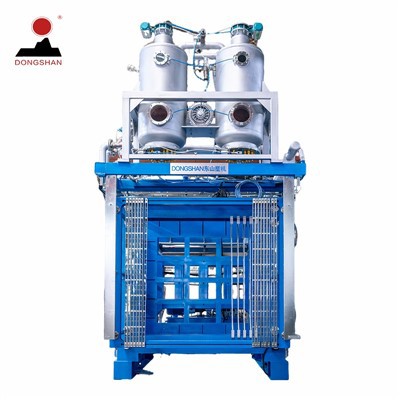
At the end of the day, small-scale factories thrive on flexibility, not volume. You don’t need to produce 10,000 blocks a day to turn a profit; you need to be able to meet your customers’ needs quickly and affordably, without overspending on equipment you’ll never use. An EPS block molding machine isn’t for every small factory—if you’re only making packaging for a single product with set sizes, it might not make sense. But if you’re looking to expand your product line, cut material costs, and take on custom orders that larger suppliers can’t or won’t do, this machine could be the investment that sets your workshop apart.
EPS Block Molding Machine If you’re ready to learn more about how a small-scale EPS block molding machine could work for your factory, or if you have questions about pricing, space requirements, or operation, reach out to our team to discuss your needs. We offer no-obligation consultations, and we can even help you calculate potential ROI based on your current production and costs.
References
- European Plastics Converters Association. (2022). Small-scale EPS manufacturing: Best practices for flexible production. Brussels, Belgium: EuPC Publications.
- U.S. Small Business Administration. (2021). Guide to industrial equipment investments for small manufacturing businesses. Washington, D.C.: U.S. Government Publishing Office.
- EPS Industry Alliance. (2023). Economic impact of small-scale EPS production on regional manufacturing. Arlington, VA: EPS Industry Alliance.
Hangzhou Fuyang Dongshan Plastic Machinery Co., Ltd.
Hangzhou Fuyang Dongshan Plastic Machinery Co., Ltd. is one of the most professional EPS block molding machine manufacturers and suppliers in China, featured by quality products and low price. Please feel free to wholesale advanced EPS block molding machine made in China here and get quotation from our factory. Customized orders are welcome.
Address: 101 Guanting, Baiqian Villige, Luzhu Town, Fuyang District, Hangzhou City, Zhejiang Province, China
E-mail: xu@dong-shan.cn
WebSite: https://www.epseppmachinery.com/
