Hey there, if you’ve ever stood in front of a multi-purpose shredder, staring at the “adjustable settings” dial or random particle buttons and thought, “Wait, what shred size do I actually need here?” — you’re not alone. As a multi-purpose shredder supplier, I get this question at least a dozen times a week, and it’s not just a random “pick a number” thing. It actually ties to what you’re shredding, why you’re shredding it, and even how you’re getting rid of that shredded stuff. Let’s break this down like I’m talking to a buddy who’s been stressing over sorting their office shred pile for way too long. Multi-purpose Shredder
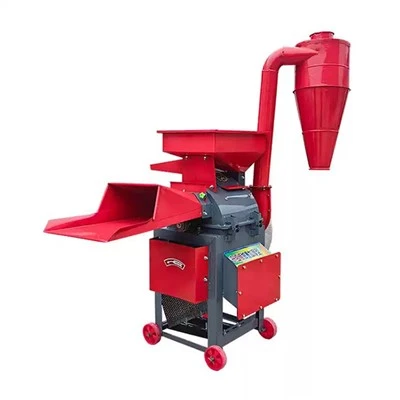
First off, let’s get one basic fact straight: multi-purpose shredders aren’t just for paper (that’s the regular office junk you toss after tax season). These bad boys handle everything from cardboard and credit cards to CD/DVDs, old hard drives, even thin plastic packaging — the whole “multi-purpose” thing is what makes them different from that clunky desktop shredder you have under your desk that can only handle 8.5×11 letter paper. So their shred sizes aren’t a one-size-fits-all deal, and that’s where most folks mix up. A lot of people think “shred size” is just big chunks vs tiny bits, but there’s actual science behind how those pieces get cut, and it’s not just marketing jargon.
Let’s start with the two main ways multi-purpose shredders cut material, because that’s what directly determines the shred size. First, cross-cut (sometimes called confetti-cut) — that’s when the blades cut material both horizontally and vertically, so you get little square or rectangular pieces. Then there’s strip-cut (sometimes called ribbon-cut) — that’s long, narrow strips, like how you’d cut paper to wrap a gift, but way thinner. A lot of multi-purpose models let you switch between these two modes, which is why the shred size range is way broader than a regular paper shredder.
Now, let’s get into actual numbers, because numbers matter here. For cross-cut multi-purpose shredders, the small end of the scale is usually around 2mm x 10mm — that’s basically tiny confetti, so small if you toss it in a recycling bin, no one’s gonna fish it out. Then you get middle-of-the-road cross-cut, which is like 5mm x 15mm, that’s the sweet spot for most small businesses. And on the bigger cross-cut end, you’re looking at 10mm x 30mm, which is still small enough for privacy but faster to shred because the pieces are bigger. Strip-cut is even more variable: the narrowest strips you’ll get on a multi-purpose shredder are around 2mm wide and maybe 50mm long, and the widest are like 10mm wide and 100mm long.
Wait, but why does the exact shred size matter? Let’s talk use cases, because that’s what I walk every customer through when they call. If you’re shredding super sensitive stuff — like customer credit cards, medical records, or trade secret documents — you want that tiny cross-cut stuff, right? Because those tiny bits are almost impossible to piece back together. I had a customer last year who ran a dental clinic, and they were shredding patient HIPAA forms. They initially got a shredder with 10mm cross-cut, but after a month, they realized the forms kept being pieced together by a former admin who was trying to steal patient data. They upgraded to a 2mm cross-cut model, and haven’t had an issue since. That’s the kind of real-world stuff I don’t see in those generic shredder buying guides online.
Then there’s the “I’m just shredding regular office junk” crowd. Like small businesses that shred old invoices, marketing materials, maybe some cardboard boxes that are too big to just recycle. For that, the 5mm x 15mm cross-cut or 5mm strip-cut is perfect. It’s private enough, it goes through the shredder faster (so you get your work done quicker), and when you toss it in the recycling bin, it doesn’t clog up the sorting machinery. A lot of people forget that if you get shred sizes too small, they can actually mess with recycling facilities. I had a restaurant supply company call me about that last year — they were shredding all their delivery receipts with a super fine 1mm cross-cut shredder, and the recycling plant flagged their load because the tiny paper bits were getting stuck in the sorting screens, making the whole batch unprocessable. That’s a huge mistake, and it’s totally avoidable if you know what shred size fits your needs.
Also, don’t sleep on the non-paper stuff when it comes to shred size. Multi-purpose shredders handle plastic, right? If you’re shredding plastic packaging, you want a shred size that’s big enough that the shredder doesn’t jam. If you get a strip-cut shredder with 2mm strips, plastic bags or thin plastic wrap will just wrap around the blades and ruin the whole machine. For plastic, we usually recommend a minimum strip width of 6mm, because that’s wide enough that the plastic doesn’t bunch up. And for hard plastics, like old plastic parts, you might even want the bigger 10mm cross-cut, because hard material doesn’t crumple like paper, so tiny bits can be hard to eject from the shredder’s collection bin.
Another big factor: how you dispose of the shredded material. If you’re using a shredding service that picks up your shreds monthly, they might have their own preferred shred sizes. A lot of professional shredding services want cross-cut shreds no smaller than 3mm x 12mm, because those tiny bits can get blown around when they’re transported, which is a safety hazard. If you’re taking your shreds to a local recycling center, call ahead — I’ve had customers show up with super tiny shreds and get turned away because the center doesn’t have the right equipment to sort them. If you’re composting your shreds (yes, some people do that!), you don’t want shred sizes too small, because they’ll compact and not decompose well. We usually recommend strip-cut around 8mm for compost, since those thin strips break down nicely and don’t turn into a mushy mess.
Wait, let’s clear up a common myth I hear all the time: “smaller shred size = more secure.” That’s true for single-use paper shredders, but when you’re talking about multi-purpose shredders, there’s a catch. If you go too small on a cross-cut multi-purpose shredder, the blades have to work way harder to cut that tiny material, which means the shredder uses more power, it’s louder, and it’s more likely to jam. I’ve had a customer with a 2mm cross-cut multi-purpose shredder call me at 2am panicking because it jammed mid-shred, and he couldn’t get it unstuck. Turns out he was shredding 500 pages at once, which was way more than the machine’s capacity for that tiny shred size — the blades couldn’t handle cutting that much tiny material at once. So the “secure size” vs “machine health” balance is something every buyer has to figure out.
Also, let’s talk about adjustment features. Most mid-range to high-end multi-purpose shredders let you customize the shred size, right? Not every model, but a lot of our products do. So if you’re someone who shreds sensitive stuff one day and regular junk the next, you can switch between a fine cross-cut for sensitive docs and a bigger strip-cut for cardboard, no need to buy two separate shredders. That’s the whole point of a multi-purpose shredder, after all — you don’t need a separate shredder for paper, plastic, and cardboard.
Wait, what about the stuff that’s not paper or plastic? Some multi-purpose shredders handle CDs, DVDs, even old hard drives. What’s the shred size for those? For CDs and DVDs, you want a shred size that’s small enough that the plastic layers can’t be put back together, and for hard drives, you want the metal platters to be cut into tiny pieces so data can’t be recovered. For CDs, we usually recommend cross-cut shreds no bigger than 10mm square, because CDs are thick and the blades have to work through that hard plastic. For hard drives, some models have specific hard drive shred modes that cut the platters into 5mm x 5mm pieces, which is way smaller than any paper shred, because those platters are made of metal and are really durable.
Let me give you a quick example of how I walk someone through this, step by step, because that’s the stuff that actually matters. Say you’re a small marketing agency, 5 people, you shred: client contracts (super sensitive), old flyers and memos, and occasional plastic presentation folders. Here’s what we’d pick: you don’t need the ultra-fine 2mm cross-cut for contracts, that’s overkill and will make the machine jam. You go with a 5mm x 15mm cross-cut. That’s small enough that no one’s piecing back a contract, it’s fast enough to shred 100 pages at a time, it works for plastic folders without jamming, and it’s sized so it doesn’t clog your recycling bin. If you also shred old company laptops (hard drives), you’d want to make sure your multi-purpose shredder has a hard drive mode that cuts into 5mm pieces, which most good models do.
Another example: a small café, 10 people, shred: receipts, delivery invoices, cardboard from pizza boxes, plastic drink cups. Here’s what they’d need: strip-cut around 8mm wide, because cardboard and plastic don’t jam as easily with slightly wider strips, it’s fast to shred a lot of material, and when you toss it all in recycling, the sorting equipment can handle it. No need for cross-cut here, since receipts don’t have super secret stuff, and the cardboard and plastic work better with strip-cut.
Now, let’s talk about what happens if you get the shred size wrong. I see this all the time: a guy buys a cheap multi-purpose shredder online, picks the smallest shred size he sees, and then within a week it’s jammed, broken, and he’s stuck buying a new one. Or a business gets a shredder with too big a shred size, and a former employee finds a box of shredded invoices in a dumpster and pieces them together to steal client info. Neither of those scenarios are fun, which is why taking 5 minutes to figure out what you’re shredding and how you’re disposing of it is way more important than just looking at the “shred size” number on the box.
Wait, also, don’t get confused by the labels manufacturers use. A lot of brands will call fine cross-cut “high security” and bigger cross-cut “confidential,” but those labels aren’t standardized across the industry. One brand’s “high security” might be 2mm, another might be 3mm. The only way to get the actual shred size is to ask the supplier, or if you’re buying in person, ask if you can see a sample. We always keep shred samples next to our display models, so customers can hold a sample of the 2mm cross-cut and the 10mm cross-cut, and the 5mm strip-cut, so they can feel the difference. That’s something most big box stores don’t do, which is why we get a lot of customers who’ve bought from there before and come to us because their shred size was way off for their needs.
Let me wrap this up with a quick, actionable tip, because I know you’re probably here because you’re in the market for a multi-purpose shredder, not just reading a random blog post. Here’s what you do: first, make a list of all the materials you’ll be shredding (paper, plastic, cardboard, CDs, hard drives? Be specific). Then, figure out if you need to shred anything super sensitive, and how you dispose of your shredded stuff (recycling, compost, pickup service?). Then, tell a supplier all that, and they’ll help you pick the right shred size. Don’t just go for the smallest number, that’s the cheapest way to end up with a broken shredder that doesn’t do what you need.
If you’re still not sure, or you have a weird use case (like shredding old vinyl records, or industrial cardboard, whatever — we’ve seen it all), don’t hesitate to reach out. We don’t push the most expensive model, we push the one that fits what you actually need. Because at the end of the day, a multi-purpose shredder is supposed to make your life easier, not give you another thing to stress about.
Oh, and one last thing: if you’re someone who’s been putting off shredding because you’re scared of picking the wrong shred size, just remember that most good multi-purpose shredders have at least a few adjustable settings, so you can test different sizes until you find what works. You don’t have to get it perfect on the first try. That’s the beauty of these things — they’re flexible, which is why they’re called multi-purpose, right?
If you’re ready to chat through what kind of shred size you need, or just have more questions about multi-purpose shredders, feel free to connect to talk. I’m here to help, no sales pitch, just real advice from someone who’s been in this business for years.
Multifunction Chaff Cutter References
- International Organization for Standardization (ISO). Information technology — Security techniques — Shredding of data carriers. ISO 15408, 2019.
- National Waste & Recycling Association. Best Practices for Shredded Material Processing, 2022.
- U.S. Food and Drug Administration (FDA). Security Standards for Shredding Patient Health Information, 2021.
- Shredder Technical Association. Multi-Purpose Shredder Shred Size Guidelines, 2023.
- Environmental Protection Agency (EPA). Composting Guidelines for Shredded Organic Material, 2020.
Zhengzhou Xinyihaotong Machinery Manufacturing Co., Ltd.
As one of the most professional multi-purpose shredder manufacturers in China, we also support custom service. We warmly welcome you to buy high quality multi-purpose shredder for sale here from our factory. For price consultation, contact us.
Address: Rooms 2301–2312, Jiayi Building, Xinxiang City, Henan Province, China
E-mail: zhaoyixuan5566@gmail.com
WebSite: https://www.xyhtmachinery.com/
