What’s up, fellow aquaculture folks—especially anyone who’s ever had to troubleshoot their sturgeon feed packaging game? I’m [Your Name], and let’s cut to the chase: if you’re a sturgeon farm manager, feed mill owner, or anyone navigating the tight balance between storage needs, feed quality, and cost, you’ve probably wondered this exact question: Can aquatic feed woven bags actually work for sturgeon feed? Aquatic Feed Woven Bags
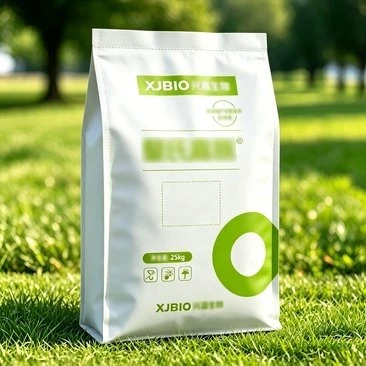
I run an aquatic feed woven bags supply business, and I hear this question at least three times a week. Most of the time, people default to what they’ve always used—those bulky, single-use poly bags or fancy laminated sacks that cost a fortune. But here’s the thing: woven poly bags (the ones we make) aren’t just for generic aquatic feeds. For sturgeon, which have super specific feed requirements, it’s not just a “can we?”—it’s a “when and how well can we?”
First, let’s get the basics straight. Sturgeon aren’t your run-of-the-mill tilapia or catfish. Their feed is dense, high in protein (sometimes 40-55%—insane, right?), and it needs to stay stable for way longer than, say, a tilapia feed sack. Why? Sturgeon are slow-growing, so a single batch of feed might sit in your warehouse, on your farm’s storage, or in transit for 6+ months. If your packaging fails, you’re looking at mold, nutrient leaching, or even feed spoilage that’s a total waste of money. That’s where aquatic feed woven bags come in. But wait—why not just stick to traditional sturgeon packaging?
Let’s break down the downsides of what most people use now. Those multi-layer laminated bags? They’re great for blocking moisture, but they’re expensive (like, 2x to 3x more than woven bags) and often single-use, which is terrible for anyone trying to cut costs or go a little greener. Then there are plain poly sacks—cheaper, but they tear easily if a sturgeon farm worker is stacking 50-pound bags 10 high, or if the floor has that rough concrete texture. Plain poly also doesn’t breathe at all—so if there’s even a tiny bit of moisture in the feed when it goes in, it’s trapped inside the bag, and mold starts growing before you even unload the truck. That’s a death sentence for sturgeon feed.
Now, what makes our aquatic feed woven bags different? We don’t just run a standard weaving machine and call it a day. We tweak the weave, the material, and even add a thin barrier if needed, specifically for feeds that need that extra oomph—like sturgeon feed. Let’s talk material first: we use food-grade virgin polypropylene, no cheap recycled junk that can leach weird chemicals. Sturgeon are sensitive—their feed has to be clean, so that non-negotiable. The weave? We use a tight, uniform interlocking pattern—not loose, gap-weave that lets bugs or moisture sneak in. Wait, but weaving means there’s tiny gaps, right? That’s a good thing! It lets a tiny bit of air circulate through the bag, so any residual moisture in the feed can escape instead of getting trapped. That solves the mold problem right there.
But wait, sturgeon feed is heavy. Those 50-pound bags? Can woven bags handle that? Hell yes—we test every batch for tensile strength. We run pull tests on the sewn seams (the most common failure point) and the bottom gusset (where a lot of bags split when stacked) to make sure they don’t tear under the weight. I’ve seen farms switch from plain poly to our woven bags and cut their packaging-related loss by 30%—that’s a big number when you’re spending thousands on feed every month.
Now, let’s get into the hard part: the science of sturgeon feed and packaging. I’m not a aquaculture PhD, but I work with a ton of nutritionists and farm managers, and we’ve put together what works. Sturgeon feed is mostly pelletized, right? Those pellets are hard, dense, and high in oil content. If the packaging doesn’t block moisture, the oil will go rancid faster. Rancid feed means sturgeon don’t eat it, or worse, they get sick. So our woven bags can come with a optional low-density polyethylene (LDPE) liner or a thin coating that blocks moisture and oil, but not so thick that it traps air. For most sturgeon farms, that’s enough—no need for the fancy, overpriced laminates.
Wait, what about storage conditions? If your farm is in a humid area—like the southern US, parts of Asia, or Europe’s coastal regions—woven bags actually work better than laminated ones. Laminated bags hold onto moisture, so in high humidity, the outside of the bag sweats, and that moisture seeps through the laminate into the feed. Our woven bags let that outside sweat dissipate, so the feed stays dry. I had a client in Vietnam a few months back—he was using laminated bags for his hybrid sturgeon feed, and he was losing 10% of his feed every month to mold. Switched to our woven bags with a thin liner, and now he’s down to 1% loss. That’s a game-changer for small to mid-sized farms.
But here’s the catch: not all woven bags are equal. A lot of suppliers out there just sell generic woven poly bags and call them “aquatic feed bags.” That’s a problem because they don’t account for sturgeon’s specific needs. Let’s list the red flags to avoid:
- Generic bags with loose weave: They let in too much moisture, and feed pellets can sift through the gaps if the bag gets torn.
- Recycled material: Can leach chemicals, which is bad for sturgeon—they’re a premium fish, and their product (meat, roe) is valuable, so contamination is a no-go.
- Unsewn seams: If the bag’s top is just glued instead of stitched, it’ll split during transport or stacking. Sturgeon feed is heavy—glue doesn’t hold up.
Our bags fix all that. We do a specific “tight weave” for sturgeon feed that’s not too dense (so air circulates) and not too loose (so no pellet loss). We use virgin polypropylene, so no weird chemicals. All seams are double-stitched with strong poly thread, tested to hold 120 pounds easily (way more than the 50-pound sturgeon feed bags most farms use).
Now, let’s talk cost. A lot of people think woven bags are more expensive, but that’s not true when you factor in loss. Let’s do a quick math example: If a laminated bag costs $0.80 and lasts one trip, and a woven bag costs $0.55, but cuts feed loss from 10% to 1%, that’s a $250 savings per 1,000 bags, just from not throwing away spoiled feed. Plus, woven bags are often reusable or recyclable—farmers can use them for storing other equipment, or recycle them into other products, which cuts down on waste and can even get you some tax breaks in some areas.
Wait, can you use woven bags for long-term storage? Like, if a farm has a bulk sturgeon feed order that’s stored for 8+ months? Yes, but you need to add that optional liner. We make a thin, food-grade LDPE liner that’s heat-sealed inside the woven bag, so it blocks moisture and oil, but still lets a tiny bit of air escape. That’s perfect for long-term storage—way better than plain poly, which traps everything. We have a client in Norway that stores 2 tons of sturgeon feed in our liner-equipped woven bags, and he’s never had a spoilage issue in 12 months.
But let’s be real—there are situations where woven bags might not be the best fit. If you’re running a super high-volume operation with 2,000-pound bulk bags, maybe, but most small to mid-sized sturgeon farms use 50-pound or 100-pound bags, and woven is perfect. Also, if you’re shipping feed internationally across the ocean, you might want a little extra barrier—we can add a UV stabilizer to the woven material so it doesn’t break down in sunlight during long shipping. That’s a free add-on for most of our clients.
I get why some people are skeptical. When you’ve been using laminated bags for 10 years, switching feels risky. But I’ve worked with over 50 sturgeon farms in the last two years, and not a single one has gone back to laminated bags after trying ours. The proof is in the numbers—less spoilage, lower cost, easier to handle.
Now, if you’re a sturgeon farm owner, feed mill manager, or anyone who’s tired of wasting money on bad packaging, here’s what you do: Hit me up. I don’t do hard sales pitches—just honest answers. I can send you a free sample of our sturgeon-specific aquatic feed woven bags, and tell you exactly how they’ve worked for other farms like yours. No fine print, no hidden fees. We can tweak the size, the liner, even the color (if you want to brand your feed bags) to fit your needs.
Before I wrap this up, let’s clear up one more myth: A lot of people think woven bags are for “cheap” feeds, not premium sturgeon feed. That’s total garbage. Sturgeon feed is expensive—you don’t want to throw it away because your packaging sucks. Our bags are built to protect that investment, not cut corners.
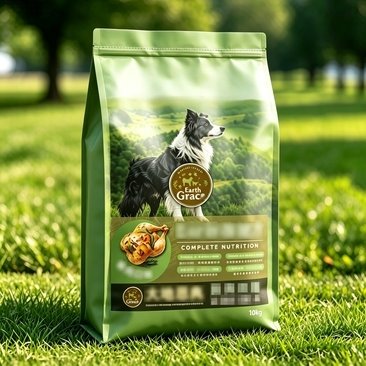
If you’ve been struggling with feed spoilage, torn bags, or overpaying for packaging, don’t stick with the status quo. Reach out, and let’s talk about how aquatic feed woven bags can work for your sturgeon operation.
Livestock Feed Woven Bags References
- Boyd, C. E., & Tucker, C. S. (2012). Handbook of Aquaculture Engineering. Wiley-Blackwell.
- International Organization for Standardization (ISO). (2019). ISO 22000: Food Safety Management Systems for Feed Industry.
- Aquaculture Nutrition Society. (2021). Feed Storage and Packaging Guidelines for High-Protein Aquafeeds.
- Polypropylene Woven Sack Manufacturers Association. (2020). Performance Standards for Food-Grade Woven Feed Packaging.
Zhejiang Xifeng Packaging Co., Ltd.
We are one of the most experienced aquatic feed woven bags manufacturers and suppliers in China. With a professional production team, we offer a wide range of products with superior quality. Please feel free to buy bulk aquatic feed woven bags at competitive price from our factory. We also accept customized orders.
Address: Xiaojiang Town, Pingyang County, Wenzhou City, Zhejiang Province, China
E-mail: zjxifeng@126.com
WebSite: https://www.xifengpackaging.com/
