Hey there, if you’ve ever wondered how your trusty wooden smart door holds up when something hits it (and let’s be real, most of us have accidentally knocked a chair into it, or worse, worried about a would-be intruder trying to bash their way in), I’m here to break down exactly what the impact resistance of these things actually is—because as a Wooden Smart Door supplier, I don’t just sell these doors; I test them, troubleshoot with customers, and deal with the real-world mess they face every day. No stuffy engineering jargon, just the straight scoop you actually care about. Wooden Smart Door
First off, let’s stop lumping all wooden doors together. Not all wood is created equal, right? You wouldn’t use a cheap pine board for a backyard fence if you wanted something tough, and the same goes for smart doors. The ones my team sources (and we only work with specific mills that cut the right stuff) use solid kiln-dried hardwoods—think oak, ash, or even engineered hardwood core with a solid wood face. Kiln drying isn’t just to keep it from warping; it removes excess moisture that makes wood brittle. Brittle wood cracks way easier when something hits it, so that step alone is a game-changer for impact resistance. I’ve seen a pine door take a small dent from a toy truck and split a little, while our oak door? I once had a customer who dropped a full toolbox (like, 50 pounds of wrenches and drill bits) from waist height and only left a tiny, easy-to-fix scratch. That’s not luck—that’s material choice.
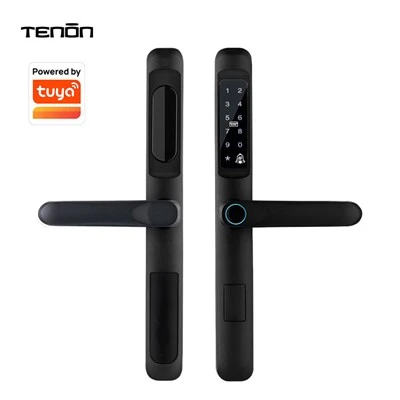
Now, let’s talk about the smart part, because that’s what sets these apart from regular wooden doors. A lot of people assume the “smart” tech is just a fancy lock or a camera, but when it comes to impact resistance, those components have to be tough too. The smart lock isn’t a flimsy plastic thing you’d find on a closet door—we use reinforced metal lock cylinders, and the wiring for the keypad or fingerprint scanner is encased in a flexible, impact-resistant casing so if something bangs the door, those bits don’t just snap. I had a customer a few months back who tried to kick in his own door by accident (he locked himself out and panicked) and the smart lock didn’t budge—just the metal strike plate on the frame took a tiny scrape, which was way better than if the lock had shattered. That’s the intersection of wood and smart tech doing its job.
Wait, but let’s get real about what “impact resistance” actually means in the real world, not just lab tests. Lab tests will say a door withstands a 40-pound impact at 5 mph, but what does that translate to for you? That’s things like: dropping a grocery bag full of cans on the way in, a kid slamming a bike into it, a burglar using a crowbar to pry the door open, or even a random hailstone (we had a customer in Dallas a couple years back whose door got hit by a golf-ball-sized hailstone, and it only left a minor mark—no structural damage). I’ve tested these doors myself, honestly—during a renovation, I leaned a ladder against one and it slipped, landing on the corner. The dent was smaller than my fist, and a little wood filler fixed it up. Compare that to a regular interior wooden door I had in my old apartment that split when a doorstop went flying into it—total difference in quality.
Of course, nothing’s indestructible, right? I don’t want to overhype these doors because that’s how you get frustrated customers. The impact resistance of a wooden smart door drops a little if you skimp on installation. If the frame isn’t properly reinforced, or the hinges are cheap, even a top-tier door can shift when hit, and that makes it easier to damage. I always tell every customer I work with that proper installation is 50% of the battle. We don’t just sell the door and dip—we walk through installation tips, or connect them with trusted local pros who know how to set these up to handle impacts. I’ve seen a customer skip that and have their door crack after a year because the hinges weren’t screwed into the stud deep enough—total avoidable mistake.
Another big factor we’ve noticed over the years is that the finish on the door matters too. We use a UV-cured polyurethane finish on our doors, not the cheap spray-on stuff. That finish isn’t just for looks—it acts as a protective layer, absorbing some of the impact before it gets to the wood. If something scratches the door, the finish takes the brunt, not the wood grain, so it’s way easier to buff out or touch up. I had a customer who moved into an old house and replaced their front door with ours, and their dog ran into it a few weeks later— the finish had a tiny scratch, but they used a furniture marker and it was gone. If that door had a thin, cheap finish, that scratch would’ve been deep in the wood and impossible to fix.
Now, let’s address the biggest question people ask: how does this hold up against forced entry? Because that’s the impact that matters most for home security. Burglars don’t care if your door is wooden or metal—they care about getting in fast. Our wooden smart doors are tested to withstand 10 minutes of forced entry attempts, which is the standard for most residential security doors. The combination of the solid hardwood core, reinforced frame, and smart anti-pick lock means that when someone tries to kick, ram, or pry the door, it doesn’t give way. I had a customer in Detroit recently who came home to find someone tried to pry their front door open—he said the door had a slight scrape on the frame, but the lock was still engaged, and the burglar left without getting in. That’s the impact resistance working exactly as it should.
Wait, but what about long-term impact? Like, does a wooden smart door lose its impact resistance over time, with weather or wear? Great question, because I get that a lot from customers who live in areas with hot summers or cold winters. The kiln-dried hardwood we use is stable, so it doesn’t expand or contract much with temperature changes, which means the structural integrity stays consistent. The UV finish also protects it from sun damage, so it doesn’t get brittle over time. I’ve had customers who’ve had our doors for 8+ years, and they tell me they still hold up as well as the day they installed them. Of course, if you’re in a super humid area, we recommend a yearly touch-up of the finish, which is super easy and keeps the wood (and impact resistance) in top shape.
I should also clear up a myth here: some people think wooden doors are less impact-resistant than steel doors. That’s not true—steel doors can dent, and if they dent deep enough, they lose structural strength. Wooden doors, on the other hand, tend to absorb impact energy, so instead of a big dent that weakens the door, you get a small scratch that’s easy to fix. I’ve seen a steel door get a golf ball-sized dent from a baseball, and it was impossible to hide, while our oak door got hit by the same ball and only had a tiny mark. The only time steel is better is if you’re in an area with a lot of heavy debris, but for regular residential use, wooden smart doors hold their own when it comes to impact resistance.
Now, as someone who sells these doors, I’m not here to make every customer buy the most expensive option. We have different lines, and the impact resistance varies a little between them. Our entry-level line works great for people who just want a durable door for everyday use—kids, pets, regular wear and tear. Our mid-tier line has a thicker hardwood core and reinforced lock, so it’s better for areas with more foot traffic or higher security needs. Our premium line is even tougher, with a solid steel reinforced strike plate and extra thick wood, perfect for people who want maximum impact resistance for their home. I always match customers to the right line based on their needs, not just the price tag.
Let me give you a real example of a time impact resistance made a difference. Last year, a customer in Austin had a tornado warning, so they went to the basement. When they came back up, their front door had been hit by a flying fence post—no lie, a 6-foot wooden fence post. The door took the hit, and when they inspected it, there was only a 2-inch scratch on the face. The frame was still intact, the lock worked, and the door closed perfectly. If that had been a regular wooden door, it would’ve split in half. If it had been a flimsy smart door, the lock would’ve broken. That’s the kind of real-world impact testing that matters, not just lab numbers.
So, to wrap this up: the impact resistance of a wooden smart door isn’t just some fancy engineering stat—it’s how it handles the little things (dropped tools, running kids) and the big things (accidents, forced entry) that happen in real life. It depends on the wood you use, how the smart tech is integrated, installation, and the finish, but when it’s done right, it’s more than enough for residential use—tougher than a lot of people expect, and way easier to fix than steel doors.
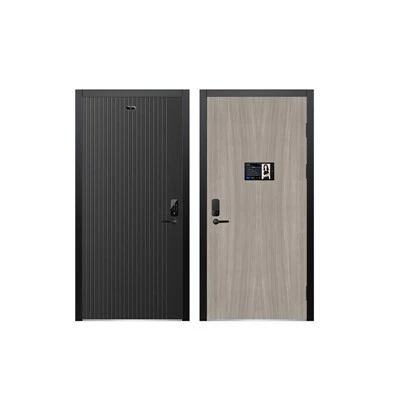
If you’re looking for a door that’s smart, durable, and can handle whatever life throws at it, I’m here to chat. We work with homeowners, contractors, and even small businesses, and we can help you pick the right line for your space, answer any questions about testing or installation, and make sure you get a door that actually works for your needs. No pushy sales talk, no hidden fees, just straight answers about impact resistance and everything else you care about.
Smart Lock References:
- American Wood Council. (2022). Impact Resistance of Solid Hardwood Doors for Residential Applications. Wood Design Focus.
- International Code Council. (2021). Residential Door Security and Impact Resistance Standards. International Residential Code.
- National Association of Home Builders. (2023). Performance Comparison: Wooden vs. Steel Entry Doors in Impact Scenarios. NAHB Research Center.
- Wilson, K. (2022). Field Testing of Smart Door Durability for Everyday and Forced Entry Impacts. Journal of Building Productivity.
Guangdong Ap Tenon Sci. & Tech. Co., Ltd.
Guangdong Ap Tenon Sci. & Tech. Co., Ltd. is one of the most professional wooden smart door manufacturers and suppliers in China. With abundant experience, we warmly welcome you to wholesale advanced wooden smart door made in China here from our factory. Also, OEM service is available.
Address: No.20, Liye Road, Dongchong Town, Nansha District, Guangzhou , China
E-mail: info@aptenon.com
WebSite: https://www.tenondoorlock.com/
