Hey there, fellow car enthusiasts and industry peeps! I’m part of a team that supplies Instrument Panel Systems, and I know how important it is to keep these babies clean. A clean instrument panel not only makes your ride look sharp but also helps in maintaining its functionality. So, let’s dive into how you can clean an instrument panel system like a pro. Instrument Panel Systems

Why Clean Your Instrument Panel System?
First off, you might be thinking, "Why all the fuss about cleaning the instrument panel?" Well, there are a few good reasons. Over time, dust, dirt, and grime can build up on your panel. This not only looks bad but can also interfere with the readability of your gauges and the operation of your controls. Plus, if you’ve got those fancy touchscreen displays in your panel, fingerprints and smudges can really make it hard to use.
Another reason is that a clean instrument panel can actually increase the lifespan of your system. Dirt and debris can get into the small crevices and ports, causing wear and tear on the internal components. By keeping it clean, you’re helping to ensure that your instrument panel system lasts as long as possible.
What You’ll Need
Before you start cleaning, you need to gather the right tools and supplies. Here’s what you’ll need:
- Microfiber Cloths: These are a must-have. They’re soft and won’t scratch the surface of your panel. You’ll need a few different ones, so you can use a clean one for each step.
- Mild Cleaner: Avoid using harsh chemicals that can damage the plastic or electronic components. Look for a cleaner specifically designed for automotive interiors.
- Cotton Swabs: These are great for getting into those hard-to-reach areas, like around buttons and in the crevices.
- Compressed Air: This can help blow out dust from the vents and other small openings.
Step-by-Step Cleaning Process
Step 1: Remove Loose Debris
Start by turning off your car and removing any loose debris from the instrument panel. You can use a soft brush or a can of compressed air to do this. Hold the can of compressed air about 6 inches away from the panel and use short bursts of air to blow out the dust. Be careful not to get too close or use too much pressure, as this could damage the components.
Step 2: Dusting
Once you’ve removed the loose debris, it’s time to dust the panel. Take a dry microfiber cloth and gently wipe the surface of the panel. Start from the top and work your way down, making sure to get into all the nooks and crannies. You can also use a microfiber duster for a quicker job.
Step 3: Cleaning the Surface
Now it’s time to clean the surface of the panel. Spray a small amount of the mild cleaner onto a clean microfiber cloth. Don’t spray the cleaner directly onto the panel, as this could get into the components and cause damage. Wipe the panel with the damp cloth, using gentle, circular motions. Pay special attention to any areas that are particularly dirty or have fingerprints.
If you have a touchscreen display, use a screen-cleaning solution and a microfiber cloth designed for screens. Avoid using paper towels or other abrasive materials, as these can scratch the screen.
Step 4: Cleaning Buttons and Controls
Next, it’s time to clean the buttons and controls on the instrument panel. Take a cotton swab and dip it into the mild cleaner. Wipe around the edges of each button and control, getting rid of any dirt or grime. You can also use a small brush to clean between the buttons.
Be careful not to get too much liquid on the buttons, as this could cause them to malfunction. If you’re unsure, you can use a dry cotton swab to clean the buttons and then use a small amount of cleaner on another cotton swab to give them a final wipe.
Step 5: Cleaning the Vents
The vents on your instrument panel can collect a lot of dust and dirt. Use a can of compressed air to blow out the dust from the vents. You can also use a small brush to clean the vents more thoroughly. If the vents are particularly dirty, you can use a damp microfiber cloth to wipe them down.
Step 6: Drying
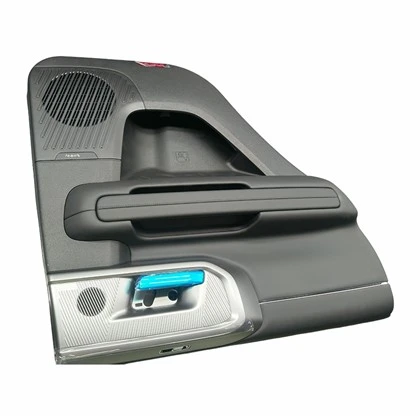
Once you’ve finished cleaning, use a dry microfiber cloth to dry the instrument panel. Make sure to remove any excess moisture, as this could cause damage to the components. You can also leave the car doors open for a few minutes to let the panel air dry completely.
Tips and Tricks
- Don’t Overdo It: When it comes to cleaning your instrument panel, less is more. Using too much cleaner or applying too much pressure can damage the surface of the panel.
- Test in a Small Area: Before you start cleaning the entire panel, test the cleaner on a small, inconspicuous area to make sure it doesn’t cause any damage or discoloration.
- Regular Maintenance: Make cleaning your instrument panel a regular part of your car maintenance routine. This will help prevent dirt and grime from building up and make the cleaning process easier.
Conclusion
License Plate Systems Cleaning your instrument panel system is an important part of maintaining your car. By following these steps and using the right tools and supplies, you can keep your panel looking and functioning its best. And if you’re in the market for a new Instrument Panel System, we’ve got you covered. We’re a leading supplier of high-quality instrument panel systems, and we’d love to talk to you about your needs. Whether you’re a car manufacturer or an automotive enthusiast, we’ve got the expertise and the products to meet your requirements. So, don’t hesitate to reach out and start a conversation about your next instrument panel system purchase.
References
- "Automotive Interior Cleaning Guide," Popular Mechanics
- "How to Clean Your Car’s Instrument Panel," AutoZone
Hebei Xiujie Auto Parts Co., Ltd.
As one of the most professional instrument panel systems manufacturers and suppliers in China, we have world-leading production equipment and strong manufacturing capabilities. Please feel free to wholesale bulk customized instrument panel systems from our factory. Contact us for quotation and free sample.
Address: Industrial New Area, Wen’an County, Langfang City, Hebei Province (State-run Xiaowu Farm)
E-mail: runtaoli87@gmail.com
WebSite: https://www.xiujie-cn.com/
