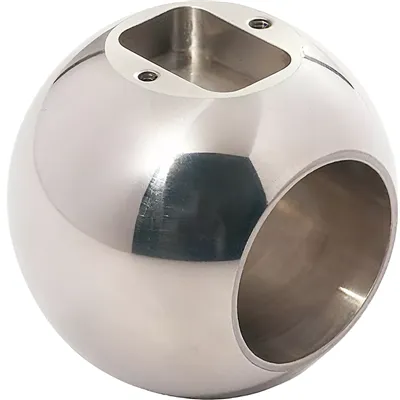
Valve balls are integral components in a wide range of industries, playing a crucial role in controlling the flow of various substances. As a dedicated valve ball supplier, I have witnessed firsthand the diverse applications and the importance of these small yet powerful components. In this blog post, I will explore the industries that rely on valve balls, highlighting the unique requirements and challenges they face. Valve Balls
Oil and Gas Industry
The oil and gas industry is one of the largest consumers of valve balls. In the exploration, production, and refining processes, valve balls are used in a variety of valves, including ball valves, gate valves, and check valves. These valves are responsible for controlling the flow of oil, gas, and other fluids, ensuring the safety and efficiency of operations.
In offshore drilling platforms, valve balls are exposed to harsh environments, including high pressures, extreme temperatures, and corrosive substances. Therefore, they need to be made of high-quality materials, such as stainless steel, titanium, and nickel alloys, to withstand these conditions. Additionally, the valve balls must have precise dimensions and smooth surfaces to ensure a tight seal and prevent leakage.
In the refining process, valve balls are used in pipelines and storage tanks to control the flow of refined products, such as gasoline, diesel, and jet fuel. The accuracy of the valve balls is critical to ensure the proper mixing and distribution of these products, as well as to prevent contamination.
Chemical Industry
The chemical industry also heavily relies on valve balls for the control of various chemicals and fluids. Chemical processes often involve the handling of hazardous and corrosive substances, so the valve balls used in this industry must be made of materials that are resistant to corrosion and chemical attack.
Common materials for valve balls in the chemical industry include ceramic, PTFE (polytetrafluoroethylene), and special alloys. Ceramic valve balls are known for their excellent corrosion resistance and high hardness, making them suitable for use in highly corrosive environments. PTFE valve balls, on the other hand, have a low friction coefficient and are resistant to a wide range of chemicals, making them ideal for applications where a tight seal and low torque are required.
Valve balls in the chemical industry are used in a variety of valves, such as ball valves, butterfly valves, and diaphragm valves. These valves are used to control the flow of chemicals during the manufacturing process, as well as in storage and transportation systems.
Water Treatment Industry
The water treatment industry is another significant user of valve balls. In water treatment plants, valve balls are used in valves to control the flow of water, chemicals, and sludge. These valves are essential for ensuring the proper treatment and distribution of water, as well as for preventing the contamination of water sources.
Valve balls in the water treatment industry are typically made of materials that are resistant to corrosion and erosion, such as stainless steel and brass. They are used in a variety of valves, including ball valves, gate valves, and globe valves. These valves are used to control the flow of water in different stages of the treatment process, such as intake, filtration, disinfection, and distribution.
In addition to water treatment plants, valve balls are also used in water distribution systems, such as pipelines and water meters. They are essential for ensuring the accurate measurement and control of water flow, as well as for preventing water leakage.
Power Generation Industry
The power generation industry, including thermal power plants, hydroelectric power plants, and nuclear power plants, also uses valve balls extensively. In thermal power plants, valve balls are used in steam turbines, boilers, and condensers to control the flow of steam and water. These valves are critical for ensuring the efficient operation of the power generation process and for preventing equipment damage.
In hydroelectric power plants, valve balls are used in water turbines and penstocks to control the flow of water. They are essential for regulating the power output of the turbine and for ensuring the safety of the power plant.
In nuclear power plants, valve balls are used in various systems, such as the primary coolant system, the secondary coolant system, and the containment system. These valves are designed to withstand high pressures, high temperatures, and radiation, ensuring the safe operation of the nuclear power plant.
Food and Beverage Industry
The food and beverage industry has strict requirements for the materials used in valve balls due to the need for hygiene and food safety. Valve balls in this industry are typically made of materials that are non-toxic, corrosion-resistant, and easy to clean, such as stainless steel and food-grade plastics.
Valve balls in the food and beverage industry are used in a variety of valves, including ball valves, butterfly valves, and diaphragm valves. These valves are used to control the flow of liquids, such as milk, beer, and fruit juices, as well as solid materials, such as grains and powders.
In addition to preventing contamination, the valve balls in the food and beverage industry must also be able to withstand frequent cleaning and sterilization processes. Therefore, they need to have a smooth surface finish and be free of crevices and cracks where bacteria can accumulate.
Pharmaceutical Industry
The pharmaceutical industry has even more stringent requirements for valve balls than the food and beverage industry. In addition to being non-toxic and corrosion-resistant, valve balls in the pharmaceutical industry must also be able to meet the strict regulatory standards for pharmaceutical manufacturing.
Valve balls in the pharmaceutical industry are typically made of high-quality stainless steel or ceramic materials. These materials are resistant to corrosion, easy to clean, and can withstand high temperatures and pressures during the manufacturing process.
Valve balls in the pharmaceutical industry are used in a variety of valves, including ball valves, diaphragm valves, and pinch valves. These valves are used to control the flow of liquids and gases during the production of pharmaceuticals, as well as in the storage and transportation of pharmaceutical products.
Conclusion
As a valve ball supplier, I am well aware of the diverse needs and requirements of different industries. Valve balls are essential components in a wide range of applications, from the harsh environments of the oil and gas industry to the strict hygiene standards of the food and beverage and pharmaceutical industries.
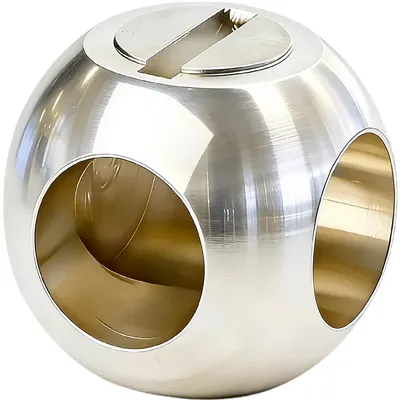
By providing high-quality valve balls that meet the specific needs of each industry, I am committed to helping my customers improve the efficiency and reliability of their operations. Whether it’s a small-scale water treatment plant or a large-scale oil refinery, I have the expertise and experience to provide the right valve balls for the job.
By Structure If you are in need of valve balls for your industry, I invite you to contact me to discuss your specific requirements. I look forward to working with you to find the best solution for your valve ball needs.
References
- ASM Handbook, Volume 13A: Corrosion: Fundamentals, Testing, and Protection
- API 6D: Specification for Pipeline Valves
- ASTM Standards for Valve Materials
- ISO Standards for Hygienic Valves in the Food and Pharmaceutical Industries
Zhejiang Jigong Valve Co., Ltd.
Zhejiang Jigong Valve Co., Ltd. is one of the most professional valve balls manufacturers and suppliers in China, also supports customized service with low price. Please feel free to wholesale durable valve balls made in China here from our factory. For quotation, contact us now.
Address: Dongou Industrial Park, Oubei Subdistrict, Yongjia County, Wenzhou City, Zhejiang Province (within Zhejiang Yinhe Machinery Manufacturing Co., Ltd.)
E-mail: Sales@cnzjsk.com.cn
WebSite: https://www.ball-china.com/
