PPR, or polypropylene random copolymer, pipes have gained significant popularity in various plumbing applications over the past few decades. Renowned for their durability, flexibility, and corrosion resistance, these pipes are frequently considered for use in residential, commercial, and industrial settings. But the question arises: Are PPR pipes a suitable choice for hospital water supply applications? As a supplier of PPR pipe applications, I will delve into this topic to provide a comprehensive analysis from multiple aspects. PPR Pipe Applications

Hygiene and Safety
Hospitals are unique environments where the highest standards of hygiene and safety are non – negotiable. The water supply in hospitals is used for a variety of critical purposes, including patient care, surgical procedures, and laboratory work. Any contamination in the water can have severe consequences for patients’ health.
PPR pipes are made from a non – toxic and chemically inert material. This means that they do not leach harmful substances into the water, ensuring that the water quality remains pure. Unlike some traditional metal pipes, such as galvanized steel pipes that may rust over time and contaminate the water with iron and other impurities, PPR pipes maintain the integrity of the water supply.
In addition, the smooth inner surface of PPR pipes reduces the adhesion of bacteria and other microorganisms. This characteristic helps to minimize the growth of biofilm, which can be a breeding ground for pathogens. By preventing the formation of biofilm, PPR pipes contribute to a cleaner and safer water supply, which is essential in a hospital environment.
However, it is important to note that proper installation and regular maintenance are still required. Incorrect installation can lead to leaks or areas where water can stagnate, which may promote the growth of bacteria. Regular inspections and cleaning can help to ensure that the PPR pipe system continues to meet the high – hygiene standards of hospitals.
Durability and Longevity
Hospitals require a reliable water supply system that can operate continuously for many years without frequent breakdowns or replacements. A faulty water supply can disrupt hospital operations, delay medical treatments, and even endanger patients’ lives.
PPR pipes possess excellent durability. They can withstand a wide range of temperatures and pressures commonly encountered in hospital water supply systems. PPR pipes can usually handle hot water up to around 95°C (203°F) and cold water down to below 0°C, depending on the specific product specifications.
In terms of pressure resistance, PPR pipes can handle relatively high pressures, which is crucial in a large – scale hospital water supply network. The joints of PPR pipes are heat – fused, creating a seamless and leak – proof connection. This type of connection is less likely to fail compared to other types of pipe joints, such as threaded or compression joints.
The long lifespan of PPR pipes also makes them a cost – effective choice in the long run. A well – installed and maintained PPR pipe system can last for up to 50 years or more, reducing the need for frequent replacements and minimizing disruptions to hospital operations.
Installation and Flexibility
The installation process of a water supply system in a hospital is often complex due to the large building layout, multiple floors, and various departments. PPR pipes offer several advantages in terms of installation.
Firstly, PPR pipes are lightweight compared to metal pipes. This makes them easier to handle and transport, reducing the labor and equipment required for installation. The lightweight nature of PPR pipes also puts less stress on the building structure, which is beneficial in large – scale hospital construction.
Secondly, PPR pipes are highly flexible. They can be easily bent and shaped on – site to fit around obstacles, such as columns, beams, and other building components. This flexibility allows for a more efficient installation process and can reduce the need for additional fittings, which may increase the risk of leaks.
The heat – fusion installation method of PPR pipes is relatively simple and does not require complex welding equipment or highly skilled labor. This can speed up the installation process and reduce installation costs. However, it is still important to ensure that the installation is carried out by trained professionals to guarantee the quality of the pipe system.
Cost – Effectiveness
Cost is always an important consideration in any construction project, including hospital water supply systems. PPR pipes offer a good balance between initial investment and long – term cost savings.
The material cost of PPR pipes is generally lower than that of some high – end metal pipes, such as copper pipes. In addition, the lower installation cost due to the lightweight and easy – to – install nature of PPR pipes further reduces the overall project cost.
As mentioned earlier, the long lifespan of PPR pipes means that there will be fewer replacement costs over time. The reduced risk of leaks and breakdowns also leads to lower maintenance costs. These cost savings can be significant for hospitals, which often operate on tight budgets.
Compatibility with Hospital Water Treatment Systems
Hospitals usually have sophisticated water treatment systems to ensure the quality of the water supply. PPR pipes are compatible with a wide range of water treatment chemicals and processes.
They can withstand the effects of common disinfectants, such as chlorine, which are used to kill bacteria and other pathogens in the water. PPR pipes do not react with these chemicals, ensuring that the water treatment process remains effective and that the pipes themselves are not damaged.
However, it is important to consult with the water treatment system provider and the PPR pipe manufacturer to ensure that there are no compatibility issues when using specific water treatment chemicals or processes.
Limitations and Considerations
While PPR pipes have many advantages for hospital water supply applications, there are also some limitations and considerations.
One limitation is that PPR pipes are sensitive to UV radiation. If the pipes are exposed to direct sunlight for a long time, the material may degrade, reducing its strength and durability. Therefore, in areas where the pipes may be exposed to sunlight, proper insulation or protection measures should be taken.
Another consideration is the potential for mechanical damage. Although PPR pipes are relatively strong, they can be damaged by sharp objects or excessive force. In a hospital environment, where there may be construction or renovation work going on, it is important to protect the PPR pipes from physical damage.
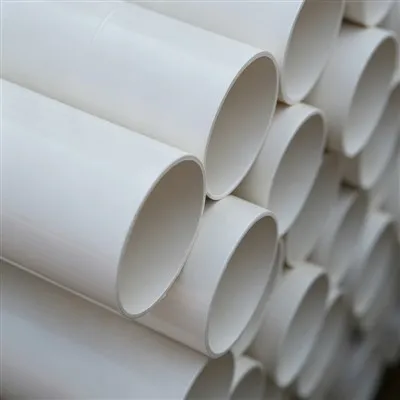
In conclusion, PPR pipes are generally a suitable choice for hospital water supply applications. Their hygiene, safety, durability, ease of installation, cost – effectiveness, and compatibility with water treatment systems make them a strong candidate. However, it is essential to address the limitations and ensure proper installation, maintenance, and protection of the pipes.
PPR Pipe If you are involved in a hospital water supply project and are considering the use of PPR pipes, I encourage you to reach out for a detailed discussion. We, as a PPR Pipe Applications supplier, have extensive experience in providing high – quality PPR pipe solutions. Our team of experts can offer professional advice and guidance to ensure that you get the most suitable PPR pipe system for your hospital’s specific needs. Let’s start the conversation about how we can meet your requirements and contribute to a reliable and safe water supply in your hospital.
References
- "Handbook of Plastic Pipes: Materials, Properties, and Applications" edited by M. M. K. Naguib.
- Articles on plumbing systems in healthcare facilities from industry – specific journals such as Plumbing Engineer and Hospital Construction & Operations.
Hebei Ruijie Pipe Industry Co., Ltd.
Address: Industrial Park, Shaozhuang Township, Suning County, Cangzhou City, Hebei Province
E-mail: 1987870474@qq.com
WebSite: https://www.rjpprpipe.com/
