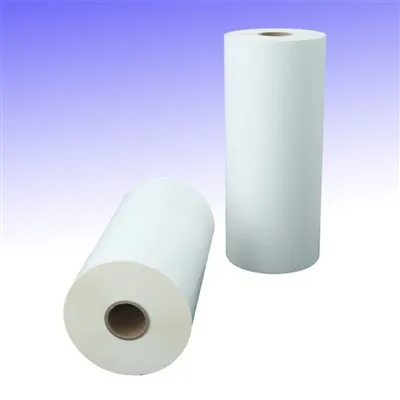
In the world of printing and document protection, thermal lamination film holds a significant position. As a supplier of thermal lamination film, I’ve witnessed firsthand the diverse needs and concerns of our customers. One crucial aspect that often comes up in discussions is the anti – static property of thermal lamination film. In this blog, I’ll delve into what this property is, why it matters, and how our thermal lamination film excels in this area. Thermal Lamination Film
Understanding Static Electricity in the Context of Thermal Lamination
Before we can understand the anti – static property, it’s essential to grasp what static electricity is and how it relates to thermal lamination. Static electricity is an imbalance of electric charges within or on the surface of a material. When two different materials come into contact and then separate, electrons can be transferred from one material to the other. This transfer creates an electrical charge on the surface of the materials.
In the process of thermal lamination, the film is heated and pressed onto a substrate, such as paper or cardboard. During this process, friction between the film and the substrate, as well as the movement of the materials through the laminating machine, can generate static electricity. This static charge can lead to several problems that affect the quality of the lamination and the overall user experience.
Problems Caused by Static Electricity in Thermal Lamination
The presence of static electricity in thermal lamination can result in various issues. First and foremost, it can cause dust and debris to be attracted to the laminated surface. In a clean – room environment or for applications where a pristine appearance is crucial, such as in high – end prints or official documents, this dust attraction can be a major drawback. The dust particles can become trapped between the film and the substrate during lamination, leaving visible specks and imperfections on the final product.
Static electricity can also cause problems during the handling of the laminated materials. The charged materials can stick together, making it difficult to separate sheets. This can slow down the production process, especially in high – volume printing and laminating operations. Additionally, the static discharge can potentially damage sensitive electronic components if the laminated products are used in applications that involve electronics.
What is the Anti – Static Property of Thermal Lamination Film?
The anti – static property of thermal lamination film refers to its ability to prevent or reduce the build – up of static electricity during the lamination process and after the lamination is complete. This property is achieved through the use of special additives or coatings in the film manufacturing process.
Anti – static additives work by reducing the triboelectric effect, which is the generation of static electricity when two materials rub against each other. These additives can either increase the conductivity of the film surface or modify the surface energy of the film, making it less likely for electrons to be transferred between the film and the substrate.
Some thermal lamination films are treated with anti – static coatings. These coatings provide a thin layer on the surface of the film that helps to dissipate static charges. The coating can be made of conductive polymers or other materials that are designed to conduct electricity and prevent the build – up of static.
Benefits of Anti – Static Thermal Lamination Film
The use of anti – static thermal lamination film offers numerous benefits. For printers and laminators, it means a cleaner and more efficient production process. Since there is less dust attraction, the final laminated products have a higher quality finish, with fewer visible imperfections. This can lead to increased customer satisfaction and a better reputation for the printing and laminating business.
From an end – user perspective, anti – static laminated products are easier to handle. There is no need to struggle with sheets that stick together, which can be a significant advantage in applications where quick and easy access to the laminated materials is required. For example, in a busy office setting, employees can quickly retrieve and use laminated documents without the frustration of dealing with static – induced sticking.
In addition, for applications that involve electronic devices or sensitive equipment, anti – static laminated materials provide an extra layer of protection. The reduced static discharge helps to prevent damage to the electronics, ensuring the reliability and longevity of the products.
Our Thermal Lamination Film’s Anti – Static Performance
As a supplier of thermal lamination film, we take great pride in the anti – static performance of our products. Through extensive research and development, we have formulated a unique blend of anti – static additives that are incorporated into our film manufacturing process.
Our testing procedures are rigorous. We simulate real – world lamination conditions in our laboratories, using high – speed laminating machines and a variety of substrates. We measure the static charge on the laminated products using specialized equipment and compare the results against industry standards.
The results of our tests have consistently shown that our thermal lamination film significantly reduces static electricity compared to traditional films. The anti – static effect is maintained throughout the lamination process and during the subsequent handling and storage of the laminated materials.
How We Ensure the Quality of Anti – Static Property
To ensure the consistent quality of the anti – static property in our thermal lamination film, we have implemented strict quality control measures at every stage of the manufacturing process.
Starting from the raw material selection, we carefully choose the base polymers and additives that are used to make the film. We work closely with our suppliers to ensure that the materials meet our high – quality standards. The anti – static additives are sourced from reliable suppliers with a proven track record in the industry.
During the manufacturing process, we use state – of the – art equipment and techniques to ensure the even distribution of the anti – static additives in the film. The film is extruded and coated under precise temperature and pressure conditions to guarantee the optimal performance of the anti – static property.
After the production is complete, each batch of thermal lamination film undergoes comprehensive quality testing. In addition to the static charge measurement, we also test for other properties such as clarity, adhesion, and durability. Only the products that pass all of our quality tests are approved for shipment to our customers.
Applications of Our Anti – Static Thermal Lamination Film
Our anti – static thermal lamination film has a wide range of applications. In the printing industry, it is used for laminating brochures, flyers, business cards, and posters. The anti – static property ensures that these marketing materials have a clean and professional appearance, free from dust and debris.
In the packaging industry, our film is used to laminate cardboard boxes and product labels. The reduced static charge helps to prevent the attraction of dust during the packaging process, which is especially important for products that require a clean and hygienic packaging environment.
For the electronics industry, our anti – static thermal lamination film is used to protect circuit boards and other sensitive components. The film provides a barrier against static discharge, which can cause malfunctions or damage to the electronic devices.
Contact Us for Your Anti – Static Thermal Lamination Film Needs
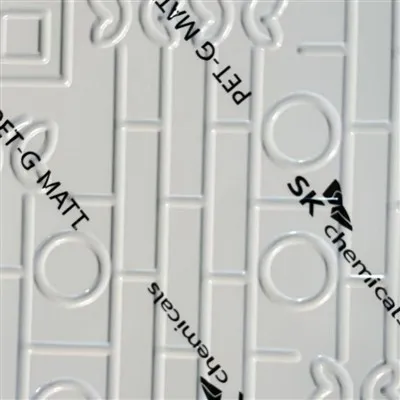
If you are in the market for high – quality thermal lamination film with excellent anti – static properties, we would love to hear from you. Our team of experts is ready to assist you in choosing the right film for your specific application. We can provide samples for you to test and offer customized solutions to meet your unique requirements.
Small Roll Laminating Film Whether you are a small – scale printer or a large – scale manufacturing company, we have the products and the expertise to support your business. Contact us today to start a discussion about your thermal lamination film needs and take advantage of our anti – static solutions.
References
- "Static Electricity in Industrial Processes: Fundamentals and Applications" by Eric A. Covino, Jr.
- "Handbook of Laminating Technology" edited by Harold F. Giles
- "Polymer Additives: Principles and Applications" by George Wypych
Yantai Hongqing Packing Material Co., Ltd.
Yantai Hongqing Packing Material Co., Ltd. is one of the most professional thermal lamination film manufacturers and suppliers in China, also supports customized service. Welcome to wholesale advanced thermal lamination film made in China here and get quotation from our factory. Quality products and reasonable price are available.
Address: Eastern Industrial Park, Taocun, Yantai, Shandong Province, China
E-mail: cindy@ythongguang.cn
WebSite: https://www.hqingnewmat.com/
