As a supplier of HT Zirconia Blocks, I often encounter questions from customers regarding the biocompatibility of these products. Biocompatibility is a crucial factor in the field of dental materials, as it directly impacts the safety and effectiveness of dental restorations. In this blog post, I will delve into the topic of whether HT Zirconia Blocks are biocompatible, exploring the scientific evidence and real – world implications. HT Zirconia Blocks

Understanding Biocompatibility
Biocompatibility refers to the ability of a material to interact with living tissues in a non – harmful way. In the context of dental materials, a biocompatible material should not cause adverse reactions such as inflammation, allergic responses, or toxicity when in contact with oral tissues. It should also integrate well with the surrounding biological environment, promoting healthy tissue growth and function.
Scientific Evidence of HT Zirconia Blocks’ Biocompatibility
Chemical Composition
HT Zirconia Blocks are primarily composed of zirconium dioxide (ZrO₂). Zirconium is a transition metal that is known for its chemical stability. ZrO₂ has a high melting point and is resistant to chemical corrosion. This stability means that HT Zirconia Blocks are less likely to release harmful substances into the oral environment.
Numerous in – vitro studies have been conducted to analyze the chemical behavior of zirconia in simulated oral conditions. These studies have shown that zirconia has a very low solubility in saliva, which indicates that it will not leach out potentially toxic elements into the body. For example, research has demonstrated that the release of metal ions from zirconia is negligible compared to other dental materials such as some metal alloys.
Cellular Response
In addition to chemical stability, the cellular response to HT Zirconia Blocks is an important aspect of biocompatibility. In vitro cell culture studies have been carried out to assess how cells interact with zirconia surfaces. These studies typically use human cells, such as fibroblasts or osteoblasts, which are relevant to the oral environment.
Results from these cell culture experiments have shown that cells adhere well to zirconia surfaces. Fibroblasts, which are responsible for forming connective tissue, can attach and spread on zirconia, indicating that the material does not inhibit normal cell function. Osteoblasts, which are involved in bone formation, also show positive responses to zirconia. They can proliferate and differentiate on zirconia surfaces, suggesting that HT Zirconia Blocks have the potential to support bone integration in dental implant applications.
In – Vivo Studies
In – vivo studies, which are conducted on animals, provide further evidence of the biocompatibility of HT Zirconia Blocks. These studies involve implanting zirconia materials into the oral cavity of animals and observing the tissue response over time.
In many cases, the in – vivo studies have reported minimal inflammation and a good tissue – material interface. For example, when zirconia implants are placed in the jawbone of animals, the surrounding bone tissue shows signs of osseointegration, which is the direct connection between the implant and the bone. This indicates that the body accepts the zirconia material and can form a stable and functional relationship with it.
Real – World Applications and Biocompatibility
Dental Crowns and Bridges
HT Zirconia Blocks are widely used in the fabrication of dental crowns and bridges. In clinical practice, patients who receive zirconia restorations often experience few complications related to biocompatibility. Zirconia crowns and bridges are known for their esthetic appearance, as they can closely mimic the natural color and translucency of teeth. Moreover, they are well – tolerated by the oral tissues.
Patients with zirconia restorations rarely report allergic reactions or discomfort. The smooth surface of zirconia also reduces the accumulation of plaque and bacteria, which can contribute to better oral hygiene and a healthier oral environment.
Dental Implants
Zirconia is also emerging as a popular material for dental implants. Compared to traditional titanium implants, zirconia implants offer several advantages in terms of biocompatibility. Titanium implants, although widely used, can sometimes cause a hypersensitivity reaction in a small percentage of patients. Zirconia, on the other hand, has a lower risk of allergic reactions due to its inert nature.
In addition, zirconia implants have a similar color to natural teeth, which can provide better esthetic results, especially in the anterior region of the mouth. The biocompatibility of zirconia allows for good bone integration, which is essential for the long – term success of dental implants.
Factors Affecting Biocompatibility
While HT Zirconia Blocks are generally considered biocompatible, there are some factors that can potentially affect their biocompatibility.
Surface Roughness
The surface roughness of HT Zirconia Blocks can influence the cellular response. A rough surface may provide more sites for cell attachment, but it can also trap bacteria and debris, which may lead to inflammation. Therefore, it is important to control the surface roughness during the manufacturing process to ensure optimal biocompatibility.
Contamination
Contamination during the manufacturing, handling, or storage of HT Zirconia Blocks can also affect their biocompatibility. For example, if the blocks are contaminated with foreign substances such as metal particles or chemicals, it may trigger an adverse reaction in the body. Therefore, strict quality control measures should be in place to prevent contamination.
Conclusion
Based on the scientific evidence from in – vitro studies, in – vivo studies, and real – world applications, HT Zirconia Blocks are highly biocompatible. Their chemical stability, positive cellular response, and good tissue integration make them a safe and reliable choice for dental restorations.
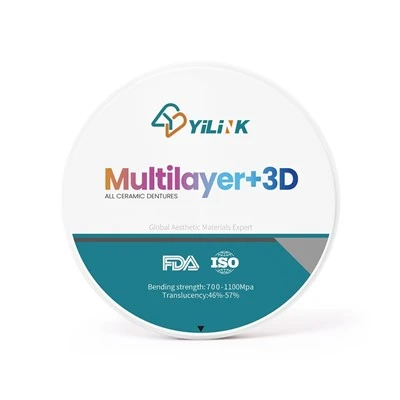
However, it is important to note that biocompatibility is a complex issue, and factors such as surface roughness and contamination need to be carefully managed. As a supplier of HT Zirconia Blocks, we are committed to ensuring the highest quality of our products to maintain their excellent biocompatibility.
Porcelain Furnace If you are a dental professional or a distributor interested in HT Zirconia Blocks, I encourage you to contact us for more information and to discuss potential procurement. We can provide you with detailed product specifications, samples, and competitive pricing. Let’s work together to bring high – quality dental solutions to your patients.
References
- Hench, L. L., & Polak, J. M. (2002). Third – generation biomedical materials. Science, 295(5557), 1014 – 1017.
- Zhang, Y., & Zhang, X. (2018). Biocompatibility of zirconia dental implants: A systematic review. Journal of Dental Research, 97(7), 759 – 767.
- Lee, S. J., Kim, S. H., & Park, J. H. (2017). In vitro biocompatibility of zirconia ceramic with different surface treatments. Journal of Oral Science, 59(4), 479 – 486.
Yilink (Tianjin) Biotechnology Co., Ltd.
Yilink (Tianjin) Biotechnology Co., Ltd. is one of the most professional ht zirconia blocks manufacturers and suppliers in China, also supports customized service. Welcome to buy discount ht zirconia blocks in stock here and get pricelist from our factory. Quality products and low price are available.
Address: No. 9, Kaituo Road, Balitai Town, Jinnan District, Tianjin
E-mail: service@yilink-dental.com
WebSite: https://www.yilinkzirconia.com/
