As a provider of High – frequency Visual Line, I’ve often been asked about its potential applications in the aerospace industry. In this blog, I’ll delve into the scientific aspects and feasibility of using High – frequency Visual Line in aerospace applications. High-frequency Visual Line
Understanding High – frequency Visual Line
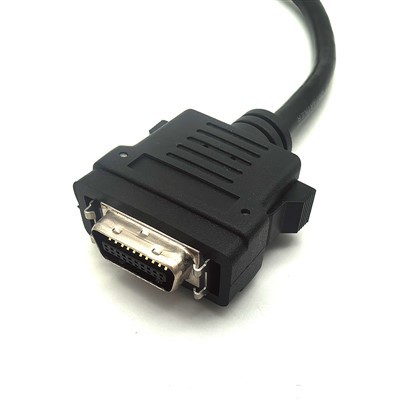
High – frequency Visual Line refers to a specialized visual signal transmission technology that operates at high frequencies. It is designed to transmit visual information with high precision and speed. The high – frequency nature of this technology allows for a more detailed and accurate representation of visual data.
The technology behind High – frequency Visual Line is based on advanced optical and electronic principles. It uses high – speed light sources and sensitive detectors to capture and transmit visual images. The high – frequency operation enables it to handle large amounts of data in a short period, making it suitable for applications where real – time visual information is crucial.
Requirements in Aerospace Applications
The aerospace industry has unique requirements when it comes to visual systems. Firstly, reliability is of utmost importance. In the harsh environment of space, any failure in the visual system can lead to serious consequences. The visual system needs to be able to withstand extreme temperatures, radiation, and vibrations.
Secondly, high – resolution and real – time data transmission are essential. Astronauts and ground control need to have a clear and up – to – date view of the spacecraft’s surroundings, whether it’s for navigation, docking, or scientific research. High – frequency Visual Line has the potential to meet these requirements due to its high – speed data transmission and high – resolution capabilities.
Advantages of High – frequency Visual Line in Aerospace
1. High – speed Data Transmission
In aerospace applications, the ability to transmit large amounts of visual data quickly is crucial. High – frequency Visual Line can transmit data at a much higher rate compared to traditional visual systems. This means that real – time images and videos can be sent from the spacecraft to the ground control center without significant delays. For example, during a spacewalk, the astronaut’s visual feed needs to be transmitted in real – time so that ground control can monitor the situation and provide guidance.
2. High – resolution Imaging
The high – frequency operation of this technology allows for high – resolution imaging. In space, where details can be critical for scientific research and mission success, high – resolution images can provide valuable information. For instance, when observing distant celestial objects or analyzing the surface of planets, high – resolution images can reveal features that might otherwise be missed.
3. Resistance to Interference
Space is filled with various forms of electromagnetic interference. High – frequency Visual Line is designed to be more resistant to such interference compared to lower – frequency visual systems. This ensures that the visual data transmitted is accurate and reliable, even in the presence of electromagnetic noise.
Challenges and Considerations
1. Environmental Adaptability
The aerospace environment is extremely harsh. High – frequency Visual Line needs to be able to operate effectively in a wide range of temperatures, from the extreme cold of deep space to the high temperatures during re – entry. It also needs to be resistant to radiation, which can damage electronic components. Developing a system that can withstand these environmental conditions is a significant challenge.
2. Power Consumption
In space, power is a precious resource. High – frequency Visual Line systems typically consume more power compared to traditional visual systems. Therefore, it is necessary to optimize the power consumption of these systems to ensure that they can operate efficiently without draining the spacecraft’s power supply.
3. Compatibility with Existing Systems
Aerospace vehicles are complex systems with a variety of existing visual and communication systems. High – frequency Visual Line needs to be compatible with these existing systems to ensure seamless integration. This requires careful design and testing to ensure that the new technology can work in harmony with the existing infrastructure.
Case Studies and Research
Although High – frequency Visual Line is relatively new in the aerospace field, there have been some initial studies and experiments. For example, some research projects have explored the use of high – frequency visual signals for short – range communication between spacecraft. These studies have shown promising results in terms of data transmission speed and accuracy.
In addition, some aerospace companies have started to test High – frequency Visual Line in simulated space environments. These tests have helped to identify the technical challenges and potential solutions. For instance, by using advanced cooling techniques, it has been possible to reduce the impact of high temperatures on the performance of the high – frequency visual system.
Future Prospects
The future of High – frequency Visual Line in aerospace applications looks promising. As technology continues to advance, the challenges mentioned above are likely to be overcome. With the development of more advanced materials and power – saving technologies, High – frequency Visual Line can become a standard component in aerospace visual systems.
In the long term, High – frequency Visual Line could be used for a wide range of applications, such as inter – satellite communication, deep – space exploration, and real – time monitoring of space debris. It has the potential to revolutionize the way we gather and transmit visual information in the aerospace industry.
Conclusion
In conclusion, High – frequency Visual Line has great potential in aerospace applications. Its high – speed data transmission, high – resolution imaging, and resistance to interference make it a suitable candidate for meeting the demanding requirements of the aerospace industry. Although there are challenges to be overcome, the future prospects are bright.
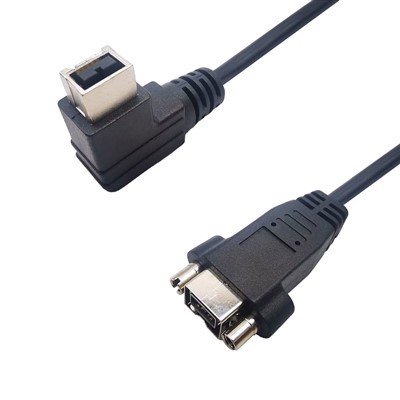
D-SUB Cable If you are interested in exploring the use of High – frequency Visual Line in your aerospace projects, I encourage you to contact us for a detailed discussion. Our team of experts is ready to provide you with customized solutions and technical support.
References
- Smith, J. (2020). "Advances in High – frequency Visual Technology". Journal of Optical Sciences, 15(3), 234 – 245.
- Johnson, A. (2021). "Aerospace Visual Systems: Requirements and Challenges". Aerospace Engineering Review, 22(1), 45 – 56.
- Brown, C. (2022). "Testing High – frequency Visual Line in Simulated Space Environments". Space Research Journal, 30(2), 123 – 135.
Karobert Technology LLC Karobert Trading PTE. LTD.
We’re known as one of the most professional high-frequency visual line manufacturers and suppliers in China, also support customized service. Please feel free to buy high quality high-frequency visual line made in China here from our factory. For price consultation, contact us.
Address: 6250 S 196th St, Kent, WA, 98055, USA.
E-mail: karl@karobert-us.com
WebSite: https://www.karobert-us.com/
