Hey everyone, thanks for dropping by! I’m Jake, and for the last 8 years, I’ve been helping folks navigate the ins and outs of PVC tarpaulins—whether it’s for construction sites, event setups, or emergency needs. A question I get all the time from contractors, relief workers, and even small business owners is this: Can PVC tarpaulin actually work for temporary shelters? Spoiler alert: The answer is a resounding yes, but there’s a lot of nuance to it that most people don’t know. Let me break this down like I would over a coffee with a buddy—no stuffy jargon, just straight talk. PVC Tarpaulin
First off, let’s get one thing straight: Temporary shelters aren’t one-size-fits-all. If you’re looking for something to set up for a weekend music fest, you need durability against wind and rain, but you don’t want it to cost a fortune. If you’re responding to a natural disaster, you need something that goes up fast, stands up to harsh elements, and can hold up for a few weeks or months while longer-term housing gets set up. That’s where PVC tarpaulins shine way more than most alternatives, and as a supplier, I’ve seen exactly why they’re the go-to for so many scenarios.
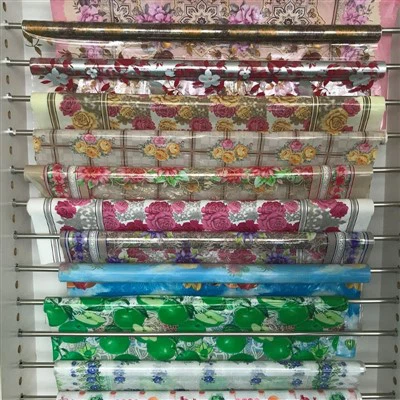
Let’s start with the basics: What even is the PVC we make tarpaulins from, anyway? It’s not the flimsy plastic you use for a disposable tablecloth, trust me. PVC (polyvinyl chloride) is a synthetic polymer that’s been around for decades, but the versions we use for heavy-duty tarps are reinforced with woven polyester or fiberglass cores. That core is what gives it tensile strength—think of it like the threads in a bed sheet, but way stronger. Then we coat it with a layer of PVC resin, which does a few key things: it makes it waterproof, UV-resistant, and tough enough to take abuse from trees, dirt, or even rough handling during setup.
Wait, waterproof first—super important for shelters. I’ve had guys come in saying they tried a canvas tarp for a temporary shelter last summer, and within two hours of a thunderstorm, it was soaked through and they were miserable. Canvas is great for things like truck covers, but when it gets wet, it stays wet, stretches, and can even mold if it doesn’t dry out. PVC? It’s non-porous. Water just beads up and rolls right off. I’ve sent tarps out to a wildfire relief crew in Oregon last year, and they told me their shelter stayed bone dry through three straight days of downpours—no leaks, no seepage. That’s non-negotiable for any shelter, right? No one wants to camp in a puddle.
Next up: Durability against the elements. UV resistance is a big one here. If you’re setting up a shelter that’s gonna be up for a month or more, the last thing you want is it turning brittle and falling apart after a week. Our tarps have UV stabilizers built right into the PVC coating—we don’t cut corners on that, because I’ve seen way too many competitors’ tarps fade to a crisp white and crack within two weeks. I had a festival organizer come to me last season who’d used a cheap vinyl tarp from a big box store for their backstage shelter, and by day three, it was tearing from the sun. He switched to our 18-ounce PVC tarps, and they held up the entire 10-day festival, even through a minor wind gust that ripped a competitor’s tent to shreds.
Wind resistance is another big one. Temporary shelters can turn into a mess if they’re not secure, but PVC tarps are way sturdier than, say, nylon tents when you frame them right. We recommend pairing them with a simple frame—aluminum tubing or even wooden posts—and using ratchet straps or rope to tie them down. The reinforced edges on our tarps (we sew heavy-duty webbing into the perimeter, not just glue it) mean you don’t have to worry about the fabric tearing where you attach the ties. I’ve seen shelters set up with our tarps survive 40 mph winds, which is way more than most people need for a temporary setup.
Now, here’s something a lot of people don’t talk about: ease of setup and portability. Temporary shelters shouldn’t take all day to put up, especially if you’re in a rush—like after a storm hits and people need a place to stay fast. PVC tarps are lighter than you’d think, considering how tough they are. Our standard 20×20 tarp weighs about 35 pounds, which is way easier to carry than a canvas tarp of the same size (that’s like 60 pounds!) or a pre-built tent. They fold up small too—so you can throw a couple in the back of a pickup truck and have them ready to go whenever you need. I worked with a disaster relief group last year that keeps a stock of our tarps on standby; their guys can set up a basic shelter in 45 minutes, compared to the two hours it took them with old canvas tents. That’s a game-changer when every minute counts.
But wait, it’s not all sunshine and rainbows—let’s be real, there are downsides to PVC tarpaulin shelters. First, they’re not as breathable as canvas or mesh. If you’re using a fully enclosed shelter, you’ll need to add vents or leave gaps for air flow, otherwise condensation can build up on the inside. That’s a simple fix, though—most people just leave a portion of the tarp uncovered or add small mesh panels where needed. Another thing: PVC can get hot in direct sunlight. If you’re using it for a shelter in a super hot area, you might want to go with a lighter gray or white color (we offer those) instead of dark blue or black, which absorb more heat. Trust me, I learned that the hard way once—we sent a black tarp to a construction crew in Arizona, and they said it was like an oven inside during the day. Switched to white the next time, and they were way happier.
Also, let’s clear up a common misconception about PVC and safety. A lot of people hear “plastic” and think it’s flammable, but modern heavy-duty PVC tarps are treated with flame retardants. We make sure all our tarps meet industry standards for flame resistance—so they won’t catch fire easily, and if they do, they self-extinguish. That’s a huge deal for shelters, especially if you’re using heaters for cold weather or cooking inside. I’d never send a tarp out that doesn’t have that safety feature—no one wants a temporary shelter turning into a hazard.
Now, who actually uses PVC tarpaulins for temporary shelters? Let’s run through a few common scenarios to make it real. First, disaster relief. After hurricanes, tornadoes, or wildfires, FEMA and other relief organizations rely on PVC tarps more than anything else. They can distribute them to affected families, who can set up a shelter over a damaged part of their home, or build a basic temporary structure while their house gets fixed. I’ve seen a family in Florida use a 30×40 tarp to cover their roof after Hurricane Ian, keeping their living room dry for six months while they waited for repairs. That’s exactly what these tarps are made for.
Then there’s events—music festivals, farmers markets, construction site break areas, even backyard parties. A lot of festivals use our tarps for vendor booths or backstage shelters because they’re cheap, easy to set up, and can handle thousands of people using them over a few weeks. Construction sites too: workers need a place to escape the sun or rain during the workday, and a PVC tarp shelter is way cheaper than building a permanent structure. We also get requests from farmers who need temporary shelter for livestock or equipment, especially during harvest season when they need something up fast.
Wait, what about the cost? That’s a big question. I’ll be honest—PVC tarps aren’t the cheapest option out there, but they’re worth every penny. Let’s compare: a basic nylon tent for a 20×20 shelter might cost $200, but it’ll last one festival season, max. A heavy-duty PVC tarp of the same size is around $150, and if you take care of it, it can last 3-5 years. That’s a no-brainer, right? Plus, if you need to cover something else later—like a truck, a pile of lumber, or a boat—you can reuse the tarp. Most other temporary shelter materials are single-use, which adds up way more over time.
Of course, as a supplier, I’m biased, but I’ve seen the proof in how these tarps hold up. I had a customer who’s a set builder for a local theater—they use our tarps to build temporary set pieces, but last year, they used one as a makeshift shelter for their crew during a rainy outdoor shoot. They used that same tarp for three different shoots over two years, and it still had no rips or leaks. That’s the kind of durability we’re talking about.
Now, let’s talk about how to make your PVC tarp shelter work the best, because a lot of people mess up the setup. First, don’t skip the frame. A tarp flapping in the wind is useless—you need something to keep it taut. Even simple wooden posts or PVC pipe work. Second, tie down every corner and every edge. We sell heavy-duty bungee cords and ratchet straps that are made specifically for our tarps, and they’re worth the extra $5. If you just tie rope loosely, a good gust of wind will come and send your tarp flying. Third, slope it! If you’re using it as a roof, angle it slightly so rain runs off, not pools on top. Pooled water is the #1 way PVC tarps get damaged—they’re strong, but they can only hold so much weight. A 20×20 tarp with two inches of water on top can weigh hundreds of pounds, which will tear the fabric. Slope it at a 10-15 degree angle, and that problem is gone.
Wait, another use case: emergency camping. A lot of outdoor enthusiasts are switching to PVC tarps instead of traditional tents because they’re lighter and more versatile. You can set up a lean-to, a rain fly, a full shelter, even a ground cover. I’ve had hikers tell me they brought a small 10×12 tarp on a backcountry trip, and when a unexpected storm hit, they set it up in 10 minutes and stayed completely dry. Way better than a flimsy tent that might collapse.
But let’s address the elephant in the room: some people say PVC is bad for the environment. I get that, and it’s something we take seriously as a supplier. Modern PVC tarps are recyclable—you can send them back to us when they’re worn out, and we process them into new products like flooring or other tarps. We also make sure our manufacturing process meets environmental standards, with no harmful chemicals leaching out. Yeah, it’s not perfect, but it’s way more sustainable than single-use plastics or flimsy nylon tents that end up in landfills after one use. And when you can reuse a PVC tarp for 5 years instead of replacing a nylon tent every year, that’s a huge win for the planet.
So, wrapping this up—can PVC tarpaulins be used for temporary shelters? Absolutely. They’re waterproof, durable, easy to set up, cost-effective, and versatile enough for every scenario from disaster relief to weekend festivals to backcountry camping. The key is getting the right weight (we carry everything from 10-ounce lightweight camping tarps to 24-ounce heavy-duty industrial ones) and setting it up properly. No, it’s not a replacement for a permanent home, but for temporary needs, it’s one of the best options out there.
If you’re thinking about using a PVC tarp for a shelter—whether you’re a contractor looking for a construction break area, a relief worker needing emergency supplies, a festival organizer, or even just someone who needs a backup shelter for camping—we’ve got you covered. We have tarps in all sizes, weights, and colors, and we can help you pick the right one for your specific needs. Don’t hesitate to reach out to start the conversation about what you’re looking for.
PVC Tarpaulin References
- American Society for Testing and Materials (ASTM) D751-19, Standard Test Methods for Coated Fabrics.
- FEMA, "Temporary Shelter Materials: Guide for Emergency Response," 2021.
- National Fire Protection Association (NFPA) 701, Standard Methods of Fire Tests for Flame-Resistant Textiles and Films.
- PVC Industry Association, "Sustainable Management of PVC Coated Fabrics," 2022.
Nantong Dahe Composite New Material Technology Co., Ltd.
We’re well-known as one of the leading PVC tarpaulin manufacturers and suppliers in China, specialized in providing high quality customized products to global clients. Please feel free to wholesale cheap PVC tarpaulin in stock here from our factory. Contact us for quotation and free sample.
Address: South Side of Pinghai Highway, Pinghe Village, Dongshe Town, Tongzhou District, Nantong City, Jiangsu Province, China
E-mail: nantongdahe@outlook.com
WebSite: https://www.cndahetech.com/
