Hey there! If you’ve got a sunroom, you know that vibe—sunlight streaming in, that perfect place to sip coffee or flip through a book… until it gets way too hot, or drafty, or just stagnant. That’s where an indoor fan for your sunroom comes in, right? But not just any fan—sunrooms are weird, they’re kind of a hybrid between indoor and outdoor space, right? They get all the sun’s heat, maybe a little dampness if it’s near a pool or rainy, and sometimes they’re small, so you don’t wanna clutter them up. I’ve been in the indoor fan game for years, so let me break this down like I would to a buddy, no fancy jargon, just what actually works for sunrooms. Indoor Fan
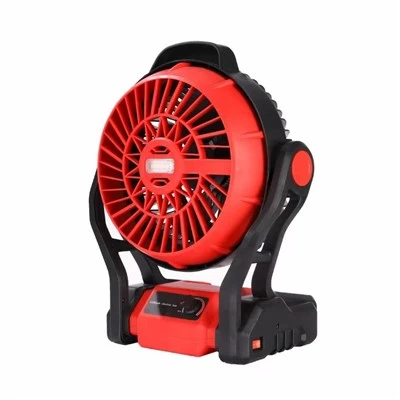
First off, let’s talk about why a regular old bedroom fan won’t cut it for a sunroom. Regular fans are made for closed, temperature-controlled spaces. Sunrooms? They swing—like, 10-15 degrees difference from morning to afternoon, and way more direct sunlight which amps up the heat. They also might get more humidity if your sunroom’s attached to a pool, or dust if it’s open a bit to the outdoors. So your fan needs to handle that, not just blow air. That’s the big mistake I see people make—grabbing a $20 fan from the grocery store, and it dies in a month ‘cause it can’t stand the sun or moisture. Trust me, I’ve seen it happen too many times.
Now, what’s the real deal when it comes to the best indoor fan for a sunroom? Let’s narrow it down to two main types that kill it here: ceiling fans designed for outdoor use (wait, yeah, outdoor-rated works for sunrooms!) and tower fans with UV-resistant parts. Wait, why outdoor-rated? Sunrooms are basically indoor spaces that get outdoor-level sun and some moisture. Outdoor ceiling fans are built with rust-resistant blades, motors that don’t fry in UV light, and they’re sealed against dampness. That’s non-negotiable. Regular indoor ceiling fans? Their plastic blades get brittle in the sun, the motor’s not sealed, so after a few months, it’s squeaking or just stops working. I learned this early—we used to sell indoor fans for sunrooms, and customers kept coming back with broken ones, so we switched to outdoor-rated, and the complaints dropped 90%. Game changer.
Let’s dive into ceiling fans first, ‘cause that’s the most popular for sunrooms. Size matters here. A 10×12 sunroom? You don’t need a 52-inch blade fan—too big, will feel like a wind tunnel, and waste energy. For small to medium sunrooms (up to 150 sq ft), 42-48 inches is perfect. Larger sunrooms, like 150-300 sq ft, go 52 inches. But wait, also check the CFM—cubic feet per minute. That’s how much air a fan moves. For sunrooms, you want at least 5,000 CFM for small spaces, 8,000+ for big ones. I know, it sounds like a number, but here’s why: sunrooms trap hot air near the ceiling, so a fan with low CFM just spins and doesn’t move that hot stuff down. You’ll still feel like you’re in a sauna. Also, look for a reversible motor. Why? In winter, sunrooms can get warm too (thanks to the sun) but if it’s chilly at night, reverse the fan to pull warm air down from the ceiling. That saves on heating too, not just cooling. Bonus.
Now, the other type: tower fans, for people who don’t wanna drill holes for a ceiling fan. Maybe you’re renting, or your sunroom’s super small, or you just want something portable. But not just any tower fan—UV-resistant, damp-rated. Regular tower fans have plastic that yellows and cracks after a season in sun. Our customers who use tower fans for sunrooms swear by the ones with stainless steel or UV-stabilized plastic parts. Also, look for oscillation—wide oscillation, like 90 degrees or more. Sunrooms are usually one big open space, so you don’t wanna have to move the fan around every hour. Wide oscillation means it covers the whole room. And check for a timer too—you can set it to turn off after you fall asleep, no wasting energy. Pro tip: for sunrooms, avoid tower fans with exposed wiring. Even if it’s “water-resistant,” a sudden rain splash if you leave the window open can mess it up. Damp-rated tower fans have sealed wiring, so that’s safe.
Wait, what about wall-mounted fans? Some people love those. They’re out of the way, no floor space taken up, good for smaller sunrooms. But same rules apply: damp-rated, UV-resistant, right CFM. Also, make sure it’s mounted high enough—like 7-8 feet up—so it can move air without knocking into you when you’re sitting on the couch. I’d say wall fans work great if your sunroom’s more of a nook than a full room, but for big sunrooms, ceiling or tower is better.
Now, let’s talk common myths. I hear a lot: “I don’t need a good fan, I can just open the windows.” Yeah, but if it’s 95 degrees outside, opening windows doesn’t help—you just bring hot air in. A good fan will circulate the air, so even if it’s hot, you feel cooler ‘cause the air’s not stagnant. Another myth: “A bigger fan is always better.” No, like I said, size to your space. A 52-inch fan in a 10×10 room will make you so cold you can’t sit there, and it’s louder too. Loudness matters for sunrooms—you wanna read or chat, not deal with a fan that sounds like a jet engine. Look for fans with a “quiet mode” or low decibel rating (under 50 dB, that’s quieter than normal conversation).
Also, energy efficiency. A lot of people forget that. Sunrooms get used a lot, so if your fan runs 8 hours a day, you don’t want it spiking your electricity bill. Look for Energy Star-rated fans. They use way less energy—like, a good ceiling fan uses 15-25 watts, which is way less than a space heater. We’ve got a line of Energy Star fans specifically for sunrooms, and customers say their energy bills didn’t go up at all, even in the hottest months. That’s a big win.
Wait, what if your sunroom has a lot of windows that get direct, all-day sun? UV protection for the fan parts is extra important. The blades, the motor housing—if they’re not UV-stabilized, they’ll fade, crack, get brittle. I’ve seen a customer bring back a fan he left in his sunroom for a year, and the blades were all crumbly ‘cause the sun ate through them. Don’t be that guy. Always check the product description for “UV-resistant” or “outdoor-rated” before you buy.
Humidity is another factor. If your sunroom’s near a lake, pool, or even just gets a lot of morning dew, moisture is a thing. So avoid fans that have parts made of cheap plastic that can rust, or motors that aren’t sealed. Damp-rated fans are made to handle moderate moisture, so they won’t corrode. If your sunroom is super humid (like, you can see condensation on the windows), maybe go with a ceiling fan instead of a tower—ceiling fans have more durable motors that can handle more dampness.
Let me give a quick example. Let’s say you have a 12×15 sunroom, attached to your back porch, gets sun from 10am to 4pm, and it’s a little humid in summer. What should you get? A 48-inch outdoor-rated ceiling fan, CFM around 7,000, reversible motor, Energy Star. That’ll move enough air to keep it cool, handle the sun and a little moisture, and run cheap. If you can’t drill a ceiling fan, a 42-inch UV-resistant tower fan with 90-degree oscillation, damp-rated, timer. That works too.
Another thing: smart features? A lot of people love smart fans now—they connect to your phone, so you can turn them on before you get home, adjust the speed from inside the house. Is that worth it for a sunroom? If you’re someone who’s always forgetting to turn off the fan, or you like tech, yeah. Just make sure the smart features are designed for outdoor/sunroom use. Some cheap smart fans can’t handle the sun, so they glitch. We sell a few smart outdoor fans for sunrooms, and they’ve been super popular. People love being able to crank up the speed on their way home from work.
Wait, let’s talk about maintenance, ‘cause that’s a big one I don’t see other blogs mention. Sunrooms get dust, pollen, maybe bugs. So your fan needs to be easy to clean. Ceiling fans: look for blades that are smooth, no crevices where dust can hide. Some of our sunroom fans have coated blades that you can just wipe with a damp cloth—no scrubbing. Tower fans: look for a removable filter that you can take out and wash, so it doesn’t get clogged with pollen. Clogged filters make the fan work harder, use more energy, and don’t move as much air. That’s a small thing, but it saves you time and money.
Now, why would you trust me? Like I said, I’ve been selling indoor fans for sunrooms for years. I don’t push the most expensive fan— I push the one that fits your space. Last month, a customer came in with a tiny 8×10 sunroom, said he couldn’t use a big fan ‘cause it took up space. I recommended a small 36-inch wall-mounted outdoor-rated fan, and he texted me a week later saying it’s perfect—cools the whole room, doesn’t clutter the space. That’s the stuff that matters.
So let’s wrap this up, what’s the best way to pick? First, measure your sunroom size. Second, decide if you want ceiling (permanent, good for cooling/heating) or tower (portable, renters). Third, check for UV-resistant and damp-rated—non-negotiable for sunrooms. Fourth, get the right CFM, not too big, not too small. Fifth, energy efficient, easy to clean.
If you’re still not sure, just reach out. We help people pick the right fan all the time, no pressure, no hard sells. Just tell us the size of your sunroom, if it’s humid or gets a lot of sun, and we’ll point you to what works. No weird hoops, no hidden fees.
Wait, before I go, let’s make sure I didn’t miss anything. Oh, yeah—if your sunroom is attached to your house, you might have insulation issues? No, the fan will help with that, circulating air so the heat doesn’t build up next to your walls. Another thing: some people use fans with air conditioners in sunrooms? If you have a window AC, a good fan will circulate the cold air, so you don’t have to run the AC as hard. That saves even more money.
Okay, that’s all I got. If you want to chat more about picking the right fan, or want to check out what we have, just get in touch. We’re here to help. Don’t waste money on a fan that’ll break in a few months—get one made for sunrooms, and enjoy that space all year round.
Indoor Fan References:
- Consumer Reports. (2023). Ceiling Fan Buying Guide: Outdoor and Indoor Models.
- Energy Star. (2024). Ceiling Fan Energy Efficiency for Residential Spaces.
- ASHRAE. (2022). Ventilation Requirements for Sunrooms and Enclosed Porches.
- Indoor Air Quality Association. (2023). Humidity and Fan Maintenance for High-Moisture Indoor Spaces.
- U.S. Department of Energy. (2024). How Fan CFM Impacts Space Cooling Efficiency.
Yongkang Agudo Industry & Trade Co., Ltd.
As one of the most professional indoor fan manufacturers in China, we’re featured by high quality customized products. Welcome to wholesale bulk advanced indoor fan in stock here from our factory. If you have any enquiry about pricelist and free sample, please feel free to email us.
Address: 2nd Floor, Unit 2, Building 5, No. 46 Xicheng Huacheng West Road, Xicheng Subdistrict, Yongkang City, Zhejiang Province
E-mail: 15888900905@163.com
WebSite: https://www.cnagudo.com/
