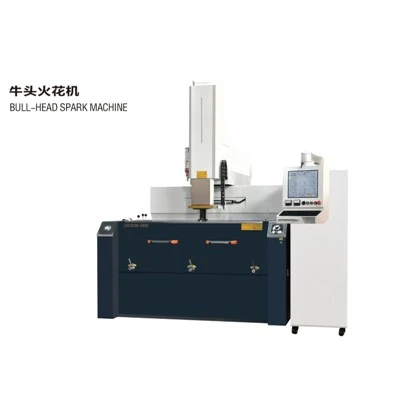
If you’re here, chances are you either run a shop floor with a Drill EDM machine, or you’re looking to get one (shoutout to our team, by the way—we’ve shipped these units to fab shops, tool and die makers, and even aerospace prototypes across the country). Drill EDM is a game-changer for drilling tiny, precise holes in hard metals—think turbine blades, medical implants, or even the fine nozzles for fuel injectors. But if you’ve ever watched one of these machines run, you know they’re not just a “set it and forget it” tool. I’ve seen way too many new operators brush off small safety steps until something goes wrong—a burn, a loose wire, even a machine outage that costs a whole day’s production. Let’s break down the real, actionable safety precautions we actually drill (pun totally intended) into every operator that works with a machine we sell, no stuffy textbook jargon required. Drill EDM
First off, let’s talk about the stuff you might skip because you’re in a rush to get a job done: personal protective equipment (PPE). I know, I know—you’ve worked with metal all day, gloves feel bulky, face shields are a hassle. But Drill EDM runs on electrical current, and the dielectric fluid it uses isn’t just water-based coolant. Most modern machines use hydrocarbon-based dielectric, or sometimes deionized (DI) water with additives, but both can cause issues. Let’s get specific: when a drill electrode is arcing, tiny bits of molten metal (called eroded debris) fly off faster than you can blink. If those hit bare skin, they’ll leave a small burn—nothing life-threatening, but enough to ruin your week. Then there’s the dielectric fluid vapors: hydrocarbon-based stuff can irritate your lungs if you’re breathing it in all day, especially in a closed shop with bad ventilation. So, mandatory PPE for every single operation: non-latex nitrile gloves (not leather—leather absorbs dielectric fluid and can be slippery, plus it’s flammable), safety glasses with side shields (not regular readers—those don’t block flying debris), and a face shield when you’re setting up the machine or fixing a jam. If you’re working in a space that’s not vented (yes, some small fab shops skimp here), add a N95 mask at minimum—we had a new operator on a build last year who skipped a mask and ended up with a persistent cough that lasted weeks. Worth it? Didn’t think so.
Next, lockout/tagout (LOTO) procedures. This is the one that gets overlooked the most, especially when an operator is swapping electrodes or clearing a jam. Drill EDM machines run on 480V three-phase power, which is way more than enough to stop a human heart—we’re talking serious volts here. I’ve seen a guy yank open the machine door mid-cycle to grab a stuck electrode, and he got a jolt so bad he threw his coffee across the shop. Don’t do that. LOTO isn’t just a OSHA buzzword—it’s actually simple. Before you open any machine enclosure, disconnect the power source, lock it with a personal padlock (no shared keys), and hang a tag that says “Do Not Operate – Maintenance in Progress” where everyone can see. If you’re working on the control panel, even go a step further: turn the emergency stop (E-stop) button, which every Drill EDM machine has, before opening the enclosure. One of our clients in Detroit swears by this—they had a new trainee skip LOTO to clear a jam, and the machine accidentally triggered a cycle while he was reaching in. The E-stop was pressed, and he only got a minor scrape, not something way worse. It takes 10 seconds—do it.
Now, let’s talk about the machine’s dielectric fluid system, because this is where fires start. A lot of operators don’t realize that dielectric fluid is flammable, and when you’re running a Drill EDM, the arcing can reach temperatures up to 10,000 degrees Fahrenheit—hot enough to ignite hydrocarbon-based dielectric if conditions are right. How do you stop that? First, check the fluid level before every run. If the level’s too low, the arcing won’t be submerged, and those hot sparks will hit the air—boom. Second, make sure the filter system is clean. Clogged filters mean debris builds up in the fluid, which causes inconsistent arcing, and that’s a fire waiting to happen. We’ve had clients send us footage of a small fire that started because they skipped changing the filter for three jobs—$50 filter, vs. a $10k repair bill. Third, never leave the machine unattended during long runs. I know, you’ve got 10 other jobs to run, but if a filter clogs or the fluid level drops, a fire can start in minutes. Set an alarm on your phone or the machine’s own timer to check in every 2 hours for runs over 4 hours. And for the love of all things metal, keep a Class B fire extinguisher near the Drill EDM area—water won’t put out a dielectric fire, so make sure it’s rated for flammable liquids. A lot of new shops grab a regular ABC extinguisher, which works, but Class B is made for exactly this.
Electrode handling is another big one. Drill EDM uses electrodes—usually copper, brass, or tungsten— that are tiny, sharp, and can hold an electrical charge even when the machine is off. First, never touch the electrode with your bare hands. Oil from your skin can cause uneven arcing (ruining the hole you’re drilling), but also, if the electrode is charged, that’s a shock waiting to happen. Use a pair of tweezers or electrode holders to swap them out. Second, dispose of old electrodes properly—they’re sharp, and if you leave them lying around the shop, someone can step on them or cut themselves. We give every customer a set of labeled electrode bins, and we always recommend dropping old, used electrodes in a bin with a lid, not a regular trash can. Third, never use an electrode that’s bent or damaged. A bent electrode will cause the drill to go off-center, which can make the machine shake—loose parts, flying debris, even damage to the work piece. I’ve seen a bent copper electrode cause a machine to rattle so bad a control knob fell off, and that’s a $200 fix for something that could’ve been avoided in 2 seconds.
Ventilation is something most operators don’t think about until they’re wiping soot off their face or their shop’s AC stops working. Drill EDM produces a lot of fine, toxic fumes from the dielectric fluid and the metal being eroded. Those fumes include things like benzene and heavy metal particulates, which aren’t good for you if you’re breathing them in 8 hours a day. So, the machine’s built-in ventilation system is a start, but it’s not enough if it’s blocked. Don’t pile metal scraps or boxes around the machine’s vent port—that will block airflow and make fumes recirculate in the shop. If you’re working in a small space without a dedicated ventilation hood, add a portable fume extractor that’s rated for metalworking fumes. We tested one with a customer last year who was having headaches every day after running his Drill EDM—once he added the extractor, the headaches stopped, and he noticed less soot on his machine parts. Worth the $300, no question.
Work piece preparation is another area that slips through the cracks. If you’re clamping the work piece wrong, it can move during the drill cycle, which means the electrode can snap, and that’s a flying projectile. We always tell operators to use rigid, precision clamps—no C-clamps that wiggle, no loose set screws. Also, make sure the work piece is clean before you put it in: wipe off any oil, rust, or dirt, because that can cause inconsistent electrical contact, leading to arcing outside the submerged area. And here’s a pro tip from our service techs: if you’re running a long, thin work piece, add a back support. Thin metal can flex during the drill, which bends the electrode and breaks it. We had a customer who was drilling 6-inch thin aluminum rods, and they kept breaking electrodes every other run—once they added a simple back support made from a block of steel, they only broke one electrode in a week. It’s that simple.
Wait, let’s not forget about machine maintenance. A Drill EDM machine is a piece of precision equipment, and skipping maintenance is a safety hazard, not just a performance issue. We include a maintenance checklist with every machine we sell, and we go over it in training, but most operators just ignore it. Let’s break down what’s actually necessary, no fancy schedules: every week, check the dielectric fluid’s resistivity (that’s a fancy word for how well it conducts electricity—for Drill EDM, it should be between 100k and 1M ohms/cm). If it’s too low, the current will leak, which is a shock hazard and will ruin your holes. Every month, check the E-stop button—make sure it’s responsive, that it cuts power immediately when pressed. We had a client whose E-stop was stuck halfway, and it didn’t cut power when an operator had to hit it fast, leading to a broken electrode and a damaged work piece. Every 3 months, have a service tech check the power cables and connections—loose cables can cause electrical fires, and we’ve seen that happen twice in the last year alone. It’s way cheaper to do a $100 maintenance check than a $5k repair after a fire or shock.
Also, training. Let’s be real—you can read a checklist all day, but if you don’t actually know how to use the machine, you’ll make mistakes. We offer free training for every operator that buys a Drill EDM from us, and it’s not just how to set up a drill cycle—it’s safety first. We walk them through LOTO, PPE, dielectric checks, the whole nine yards. But if you didn’t buy from us, make sure whoever is running the machine has hands-on training, not just a video or a 20-minute tutorial. I’ve seen way too many small shops hire a random guy to run the Drill EDM just because he knows how to use a drill press, and that’s a recipe for disaster. Drill EDM is a different beast—no spinning bit, it’s arcing, so all the rules are different. Don’t cut corners here.
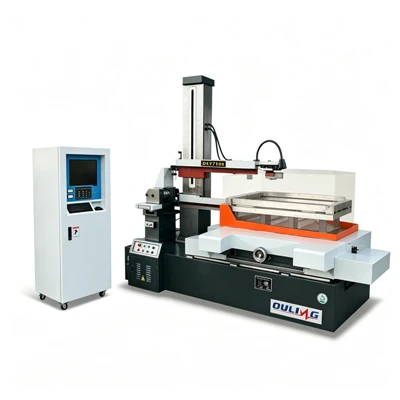
Let’s wrap this up with the stuff we tell all our new customers: safety isn’t about slowing you down, it’s about keeping you working. A minor burn or a shock might take a day off, but a major fire or injury could take you out for weeks, or even end your job. And if you’re in the market for a Drill EDM machine, we don’t just sell you a box—we give you all this safety info, plus ongoing support from our techs, so you don’t have to figure it out on your own. If you’re tired of dealing with sketchy, under-trained suppliers, and you want a machine that’s built with safety (and precision) front and center, hit us up to chat. We’ll walk you through all the specs, the safety protocols, and even help you set up your shop so you’re not risking anyone on the floor. No pressure, just good info.
Drill EDM References:
- Occupational Safety and Health Administration (OSHA). Electrical Safety in Machine Operations. U.S. Department of Labor, 2022.
- National Fire Protection Association (NFPA). Standard for Fire Safety in Manufacturing Industries (NFPA 654), 2021.
- Advanced Manufacturing Safety Alliance of North America (AMSANA). Safety Guidelines for Electrical Discharge Machining (EDM), 2023.
- International Organization for Standardization (ISO). Safety of Machine Tools – Electrical Discharge Machining (EDM) Machines (ISO 10903:2019).
Taizhou Ouling CNC Equipment Co., Ltd.
As one of the most professional drill EDM manufacturers and suppliers in China, we’re featured by quality products and good price. Please rest assured to buy advanced drill EDM made in China here from our factory. Welcome to contact us for quotation.
Address: No. 9 jingang Road, Yangzhou City Jiangsu Province, China
E-mail: 574751243@qq.com
WebSite: https://www.oulingedm.com/
