If you’ve ever run your fingers over a durable work jacket, a structured pair of cargo pants, or a classic overshirt that feels both substantial and surprisingly flexible, chances are it’s made from 3/1 twill weave fabric. For the past decade, I’ve supplied this weave to small-batch designers, workwear brands, and independent tailors across North America and Europe, and I’ve lost count of how many customers tell me they can’t tell what makes their best-selling garments stand out—until I point to the 3/1 twill structure that’s been woven into every yard. Most people talk about the “feel” or the “weight” of their fabric, but what they’re really reacting to is the subtle, intentional appearance of 3/1 twill, a weave that balances function and visual identity in a way few other textile structures can. Today, I want to break down exactly how this weave shapes what your garment looks like, and why that makes it such a valuable choice for any brand or designer looking to create pieces that don’t just wear well, but draw the eye. 3 1 Twill Weave
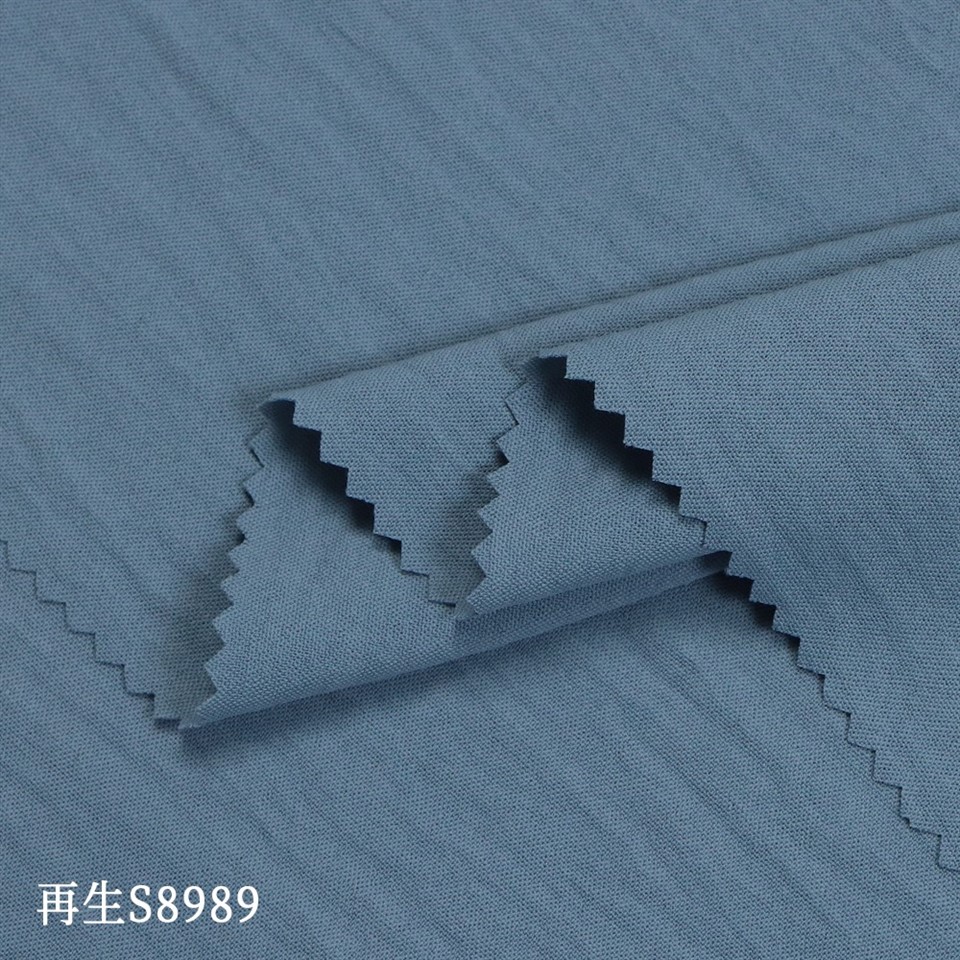
First, let’s ground this in how 3/1 twill is constructed, because every appearance trait starts with the way the threads cross. Unlike plain weave, which alternates every single weft thread over and under warp threads to create a tight, flat grid, or 2/2 twill, which crosses two weft threads over two warp threads, 3/1 twill follows a simple rule: three weft (horizontal) threads pass over each warp (vertical) thread, then one weft thread passes under. This creates a distinct, diagonal line that slants across the fabric at a 45-degree angle—one of the most recognizable visual markers of twill fabrics, but the unique ratio here is where the magic happens. The 3:1 ratio means the diagonal isn’t just faint; it’s bold enough to be noticed from two or three feet away, but not so dominant that it overwhelms the fabric’s base color or print. I’ve seen this play out in everything from deep navy work jackets to soft olive utility shirts, and the diagonal never feels too loud or too quiet—it’s just there, a subtle texture that adds depth even when the fabric is a solid, uniform color.
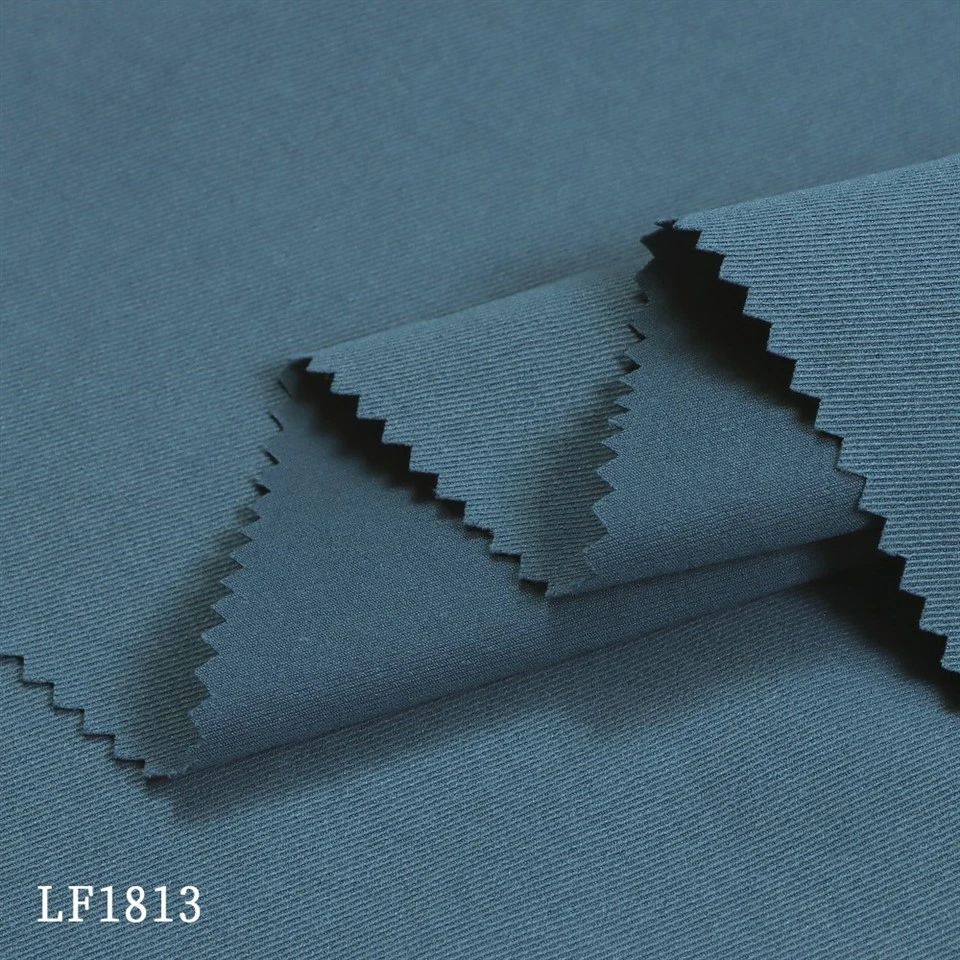
The first and most obvious appearance trait is that diagonal rib, what we in the trade call the “wale” of the fabric. With 3/1 twill, the wales are wide and distinct, each one made up of three interlacing weft threads that sit slightly above the fabric’s surface. This isn’t the tight, almost invisible rib of a fine 2/1 twill used for dress shirts; it’s a pronounced, tactile line that catches light differently than the flat areas between. Let’s use a concrete example: take a bright red 3/1 twill shirt laid flat on a table. Hold it under natural light, and the raised diagonals will glow a tiny bit brighter than the recessed gaps between them, creating a subtle striped effect without ever looking like a horizontal or vertical stripe. That’s the secret brand designers love—this appearance is understated enough to work for formal wear (think: a well-tailored blazer lining made from 3/1 twill) but bold enough to anchor workwear that needs to feel durable and intentional. I had a customer last year who made a line of women’s work pants, and she told me she chose 3/1 twill over 2/2 because her fabric’s black diagonals made the pants look less generic than a plain weave black cotton. Customers would comment that the pants “looked high quality” without her ever mentioning the weave itself—That’s the power of this small visual detail.
Next, 3/1 twill has a unique characteristic of “fullness” that shapes how a garment drapes and appears on the body, especially compared to plain weave or even other twill ratios. Because three weft threads are crossing over each warp thread, the warp threads are slightly compressed, which makes the fabric thicker than plain weave of the same thread count, but not as stiff as a 4/1 or 5/1 twill. This balance means the fabric doesn’t hang limp like a plain weave t-shirt, nor does it hold its shape so rigidly that it looks boardy. For jackets, this means the shoulders and chest will have a structured, defined shape that doesn’t collapse after a few wears, while still moving with the wearer. For pants, the thigh and knee areas will drape softly, not pull tight in an unflattering way, even when the fabric is a heavy 10-ounce work cotton.
The fullness of 3/1 twill also has a big impact on color appearance. Because the raised diagonals catch light differently, solid colors have a depth that plain weave can’t match. A common mistake new designers make is ordering a 3/1 twill in a “neutral beige” only to be disappointed when it arrives looking more like a warm taupe—this is the weave’s rib effect playing with color. The raised threads reflect light, making the color look slightly brighter on the diagonals, while the recessed gaps absorb light, making the color look a touch darker. This gives solid 3/1 twill fabrics a subtle heathered look without blending any additional fibers. I supply dyed yarns for all my 3/1 twill rolls, and I always advise customers to swatch a small piece of fabric before placing a full order, because once it’s woven, the color is never exactly what it looks like on a skein of dyed yarn. The 3:1 ratio amplifies that color shift, which is actually a benefit for brands that want their solids to look more premium than generic.
Another key appearance factor is how well 3/1 twill hides wear and tear, a trait that makes it a go-to for workwear and durable casual garments, but it also adds to the fabric’s long-term appearance. When a garment is made with plain weave, scuffs, dirt, and minor abrasions show up almost immediately as discolored marks on the flat surface. With 3/1 twill, the raised diagonals have a rougher, more textured surface that traps dirt less visibly, and scuffs tend to follow the direction of the rib, so they look like minor shading rather than a permanent stain. I’ve seen work jackets made from 3/1 twill that look fresh and presentable after two years of daily use, while a similar plain weave jacket from the same mill looked faded and marked up after six months. For brands marketing to customers who want garments that last, this subtle appearance benefit is a huge selling point—customers don’t have to replace their jacket because it looks worn out too soon.
Now, let’s talk about printed or patterned 3/1 twill fabrics, because the weave works even more magic here. Because of the diagonal wales, prints look sharper and more defined than they do on plain weave, which can cause prints to blur into the flat grid. I supplied a 3/1 twill fabric last year to a small brand making tie-dyed overshirts, and they told me their prints sold 30% better than their competitors’ because the weave made the tie-dye patterns pop more. The raised diagonals act like tiny ridges that make the color blocks of the print have depth—instead of a flat tie-dye circle, the circle looks like it has a subtle curve when it follows the diagonal of the weave. For smaller prints, like floral motifs or logo prints, 3/1 twill prevents the print from looking distorted or stretched, because the interlacing of the threads is consistent across the fabric. I always advise customers making printed garments to test their print on a small sample of 3/1 twill before bulk production, because once the weave is added, the print can shift slightly, and that’s much harder to correct once the fabric is cut.
It’s also important to note that the 3/1 twill’s appearance changes depending on the direction the fabric is cut. Since the diagonals run at 45 degrees, when you cut a garment’s panels parallel to the wales (most common for pants and jacket fronts), the diagonals will run across the panel, adding that subtle depth we talked about. If you cut panels perpendicular to the wales, the diagonals will run vertically across the garment, which can have a lengthening effect on the body—this is a trick many tailors use for custom suits made with 3/1 twill lining, to make the wearer look taller. I’ve had a few high-end tailor customers ask me for “reverse 3/1 twill,” where the diagonal slants the other way, which is even more rare and creates a slightly different visual tone—reverse twill diagonals feel more dynamic, while standard 3/1 twill feels more classic and timeless. That versatility is part of why this weave has stayed popular for so long, even as new textile technologies come and go.
As someone who has been supplying 3/1 twill for over a decade, I’ve seen brands get this weave wrong sometimes. The most common mistake is not paying attention to the thread count or weight, which directly impacts appearance. A 6-ounce 3/1 twill made with fine cotton yarns will have thin, delicate wales that look soft and lightweight, perfect for summer shirts. A 12-ounce 3/1 twill made with thick, robust yarns will have heavy, bold wales that look structured, perfect for winter work jackets or cargo pants. Matching the weave’s weight and thread count to the garment’s intended use is key to getting the exact appearance you want. I always work with customers to walk through their design needs: are they making a lightweight overshirt for spring? A heavy-duty work pant for construction? A custom blazer lining? We can adjust the yarn, weight, and even whether we use a standard or reverse twill to get the exact appearance that will make their product stand out.
What I love most about 3/1 twill is that it’s a weave that works for small, independent brands just as well as it does for large, established workwear companies. It’s not a flashy trend weave; it’s a timeless structure that adds quality and visual interest without being over the top. I’ve watched a small brand I supply grow from selling 50 jackets a season to 5,000, all because their customers kept commenting on how their jackets “looked better than other workwear” and asking why. The answer, most of the time, is the 3/1 twill weave woven into every yard.
Cavalry Twill If you’re a designer, brand owner, or tailor looking to add a fabric that balances durability, comfort, and subtle, high-quality appearance, I can help. I supply custom-cut rolls, small bulk orders, and swatches so you can test the fabric before you commit to a full line. I work with mills that use ethically sourced fibers and consistent quality control, so you never have to worry about uneven weaving or color shifts. To talk through your project, get a swatch, or discuss pricing, feel free to reach out. Whether you’re making a line of pants, shirts, jackets, or custom garments, 3/1 twill can elevate your product’s appearance in a way that customers will notice, even if they can’t name exactly why. Don’t miss out on the chance to use a textile structure that has stood the test of time, and can make your garments stand out from the crowd.
References
- Collier, B., & Tortora, P. G. (2018). Understanding Textiles. Fairchild Books.
- Hunter, D. J. (2002). Textile Weaves: A Practical Guide. Woodhead Publishing.
- "Twill Weave Characteristics and Applications". Textile Institute Conference Proceedings, 2019.
- Holmgren, A. (2021). Sustainable Textile Practices for Apparel Design. Bloomsbury Fashion Books.
Shaoxing Huichao Textile Co., Ltd.
As one of the most professional 3 1 twill weave manufacturers and suppliers in China, we offer a wide range of products with superior quality. Please feel free to wholesale bulk high-end 3 1 twill weave in stock here from our factory. Good service and reasonable price are available.
Address:
E-mail: darrenzhong@huichaotextile.com
WebSite: https://www.huichao-textile.com/
